
Expert Mold Inspection | C&J Environmental
A mold inspection is a search for the moisture behind a mold problem, measuring where the water came from, how far it spread and what it soaked before anyone talks about removal. We inspect houses, rental buildings and commercial spaces across Bucks, Montgomery and Philadelphia counties and the New Jersey side of the river, and you see the inspection fee on paper before anyone arrives.
- (844) 620-7505answered 24/7
- Warminster, PA
- Restoration · homes and businesses
- Clients served
- 1,100+
- Google rating, 26 reviews
- 5.0
- Emergency response
- 24/7
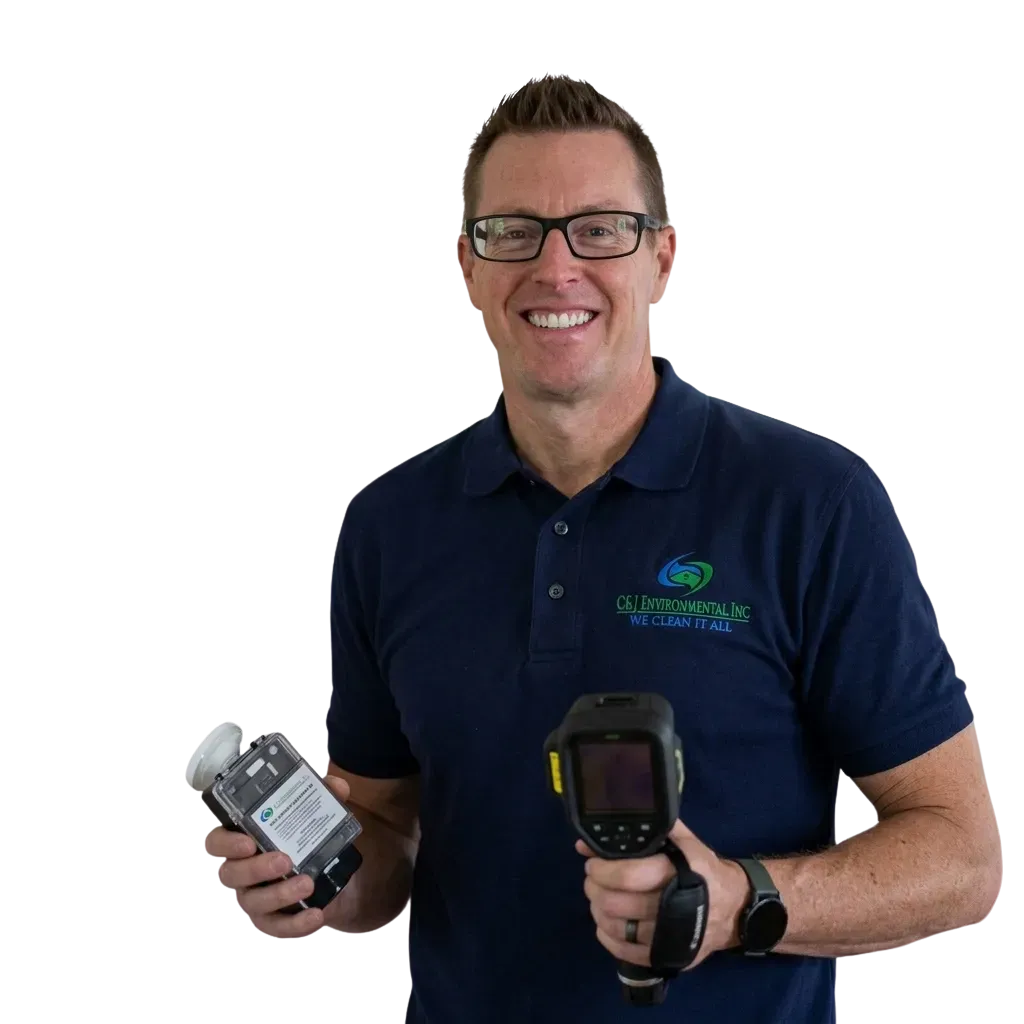
- 14 years in business, since 2012
- IICRC Certified Firm
- EPA Lead-Safe Certified Firm
- The moisture source named in every report
- Lab samples only when they change plans
- Inspection price written down before the visit
This page covers the mold inspections C&J Environmental carries out for houses, rentals and commercial buildings in Bucks, Montgomery and Philadelphia counties and in Burlington, Mercer and Hunterdon counties in New Jersey.
The work follows EPA's order: a history of the leak, a flashlight survey, moisture meter readings and a look at the air system, with lab samples taken only when a result would change the cleanup plan. C&J's inspector holds three mold credentials from the Professional Home Inspection Institute.
Keep this in mind: published guides put a visual inspection with moisture readings at $300 to $600, and no federal limit exists for a spore count to pass or fail against.
Why Pay for a Mold Inspection Before a Cleanup?
Paying for a mold inspection before a cleanup makes sense because the inspection measures the whole problem, so the remediation estimate prices the real job instead of the visible stain. Mold you can see is often the edge of a larger damp area, and a meter finds that area before a wall is opened.
- Meter readings and a flashlight survey come first, and lab samples only when they change the plan
- Air handlers and ductwork get opened, because damp ducts can carry spores to every floor
- The written report names the source, the square footage and the materials involved
- IICRC Certified Firm
- Inspector holds three PHII credentials
- Inspection price set before the visit
What Do Our Customers Say?
5.0 on Google from 26 reviews
Anthony and his team were quick, clean and polite. I called Anthony and within a week he had tested our basement, got a team out there to clean it, and sent out labs afterwards to verify they removed all of the mold.
Forrest H.Google review, basement mold
Great work, was quick and professional. As a local Realtor I will be using them in the future!
Robby D.Google review, local Realtor
Anthony & his team were extremely professional, quick to communicate/get on site, and provided excellent service at a fair price. Highly recommend C&J and will use them in the future if needed!
Tim T.Google review
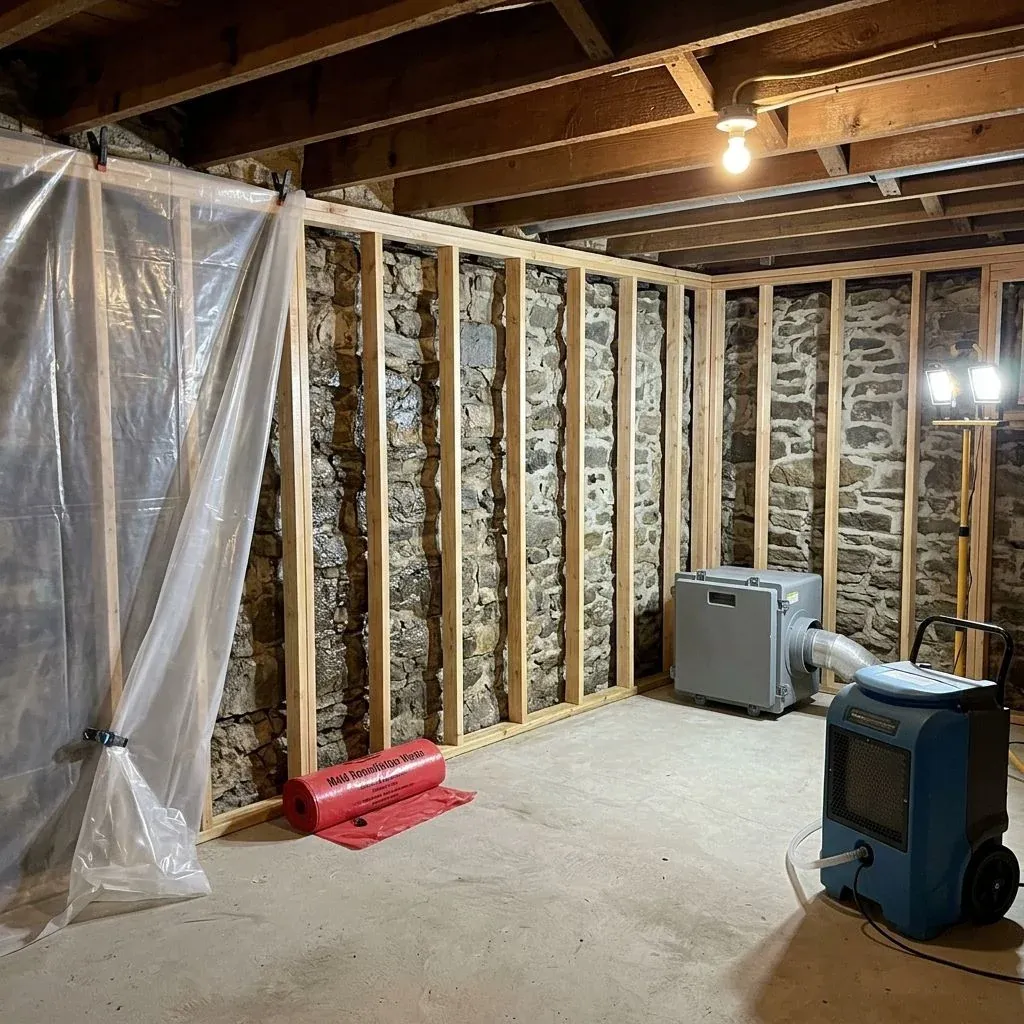
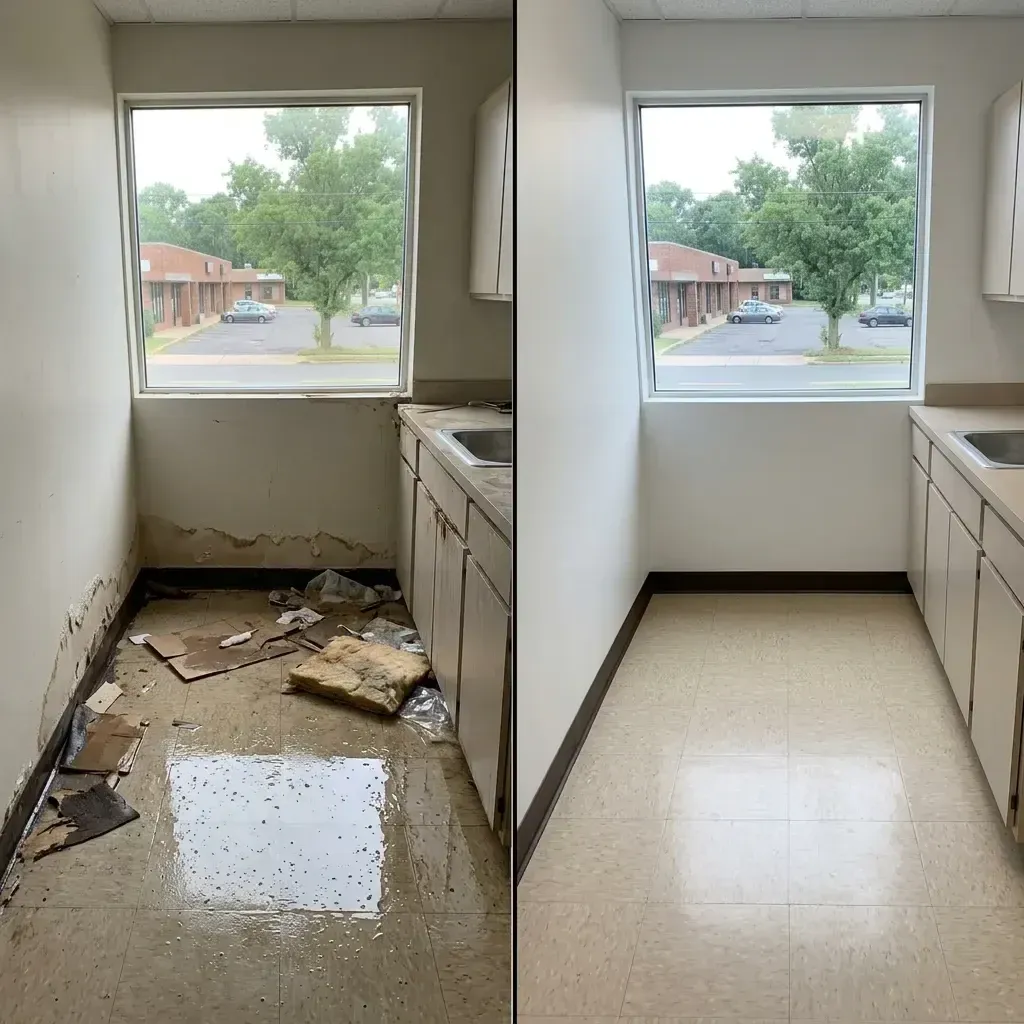
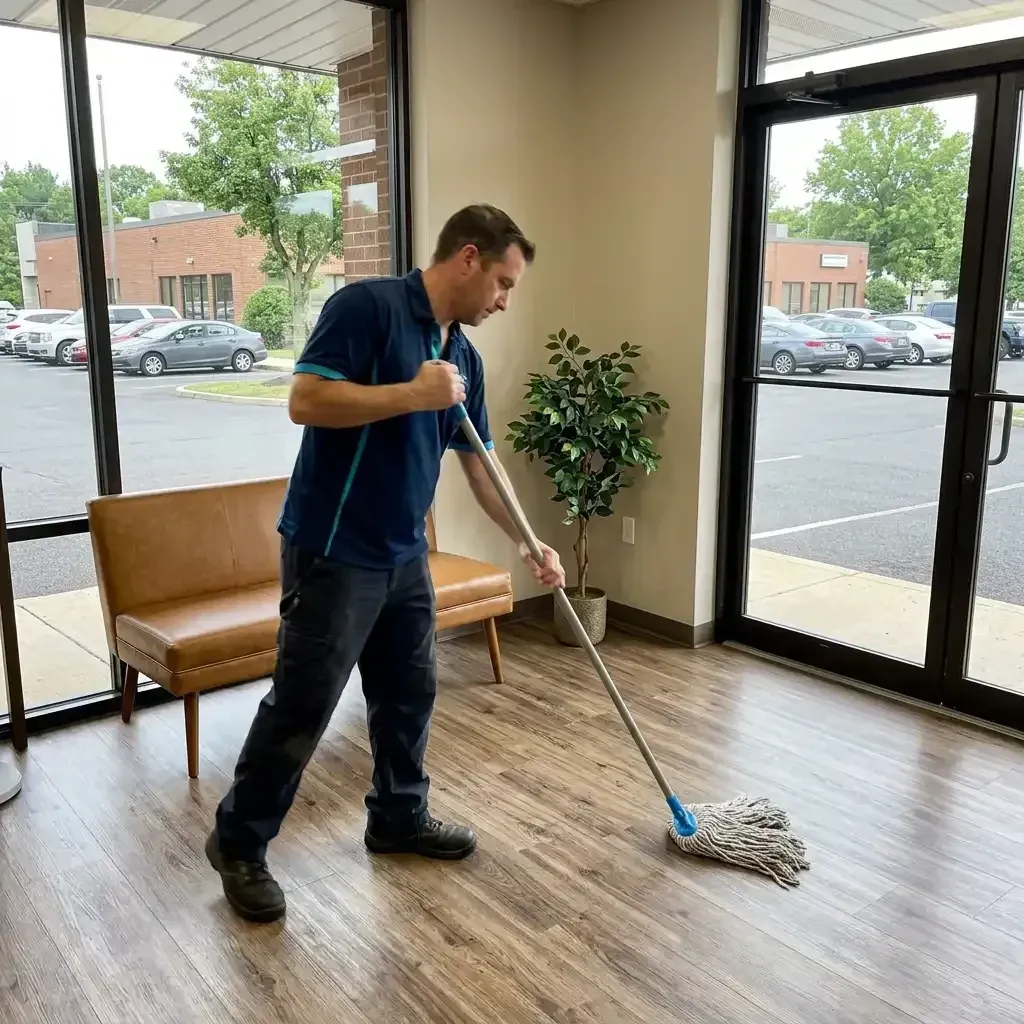
What Can C&J Do Once the Report Is In?
Which Towns Can Book a Mold Inspection From C&J?
What Happens During a Mold Inspection?
A mold inspection moves through a survey of the building, a decision about sampling and a written answer to the question that brought you in, and our guide to why a mold inspection matters covers the basics for first-time buyers of one.
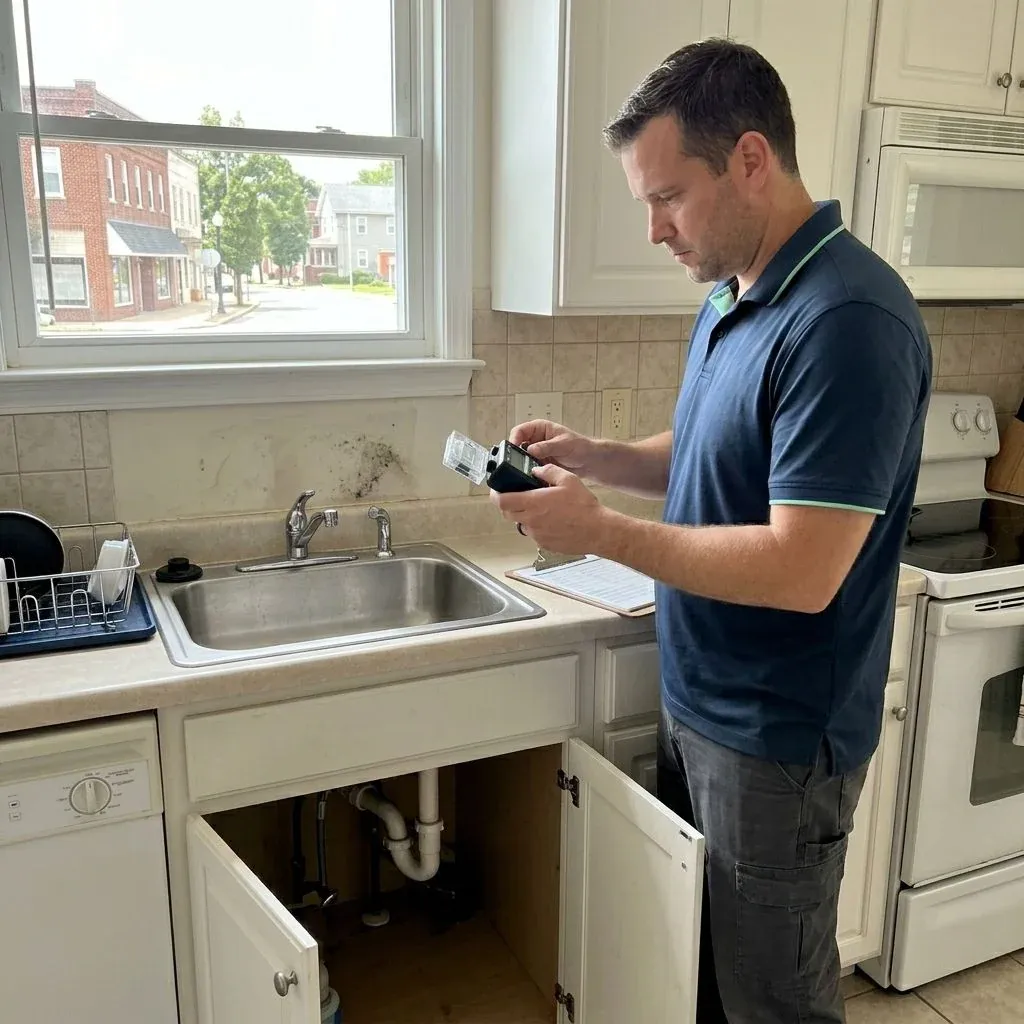
A Survey Built on Eyes, a Flashlight and a Meter
Every inspection opens with history: when the leak or flood happened, how much water there was, how quickly it was dried and who first noticed the musty smell. Then we walk the building with a flashlight, starting in bathrooms, laundry rooms and basements, where mold turns up most often in houses, and reaching crawl spaces and attics wherever access allows.
A moisture meter, the pocket-sized tool whose pins or sensor pad register water hidden in drywall, wood or concrete, shows how far the damp spread past the stain you can see. In offices, shops and multi-unit buildings, the air handler's cabinet is opened as well, and the ducts, the space over the drop ceiling and the vertical pipe runs get checked, because a damp air system can push spores into rooms nobody suspected.
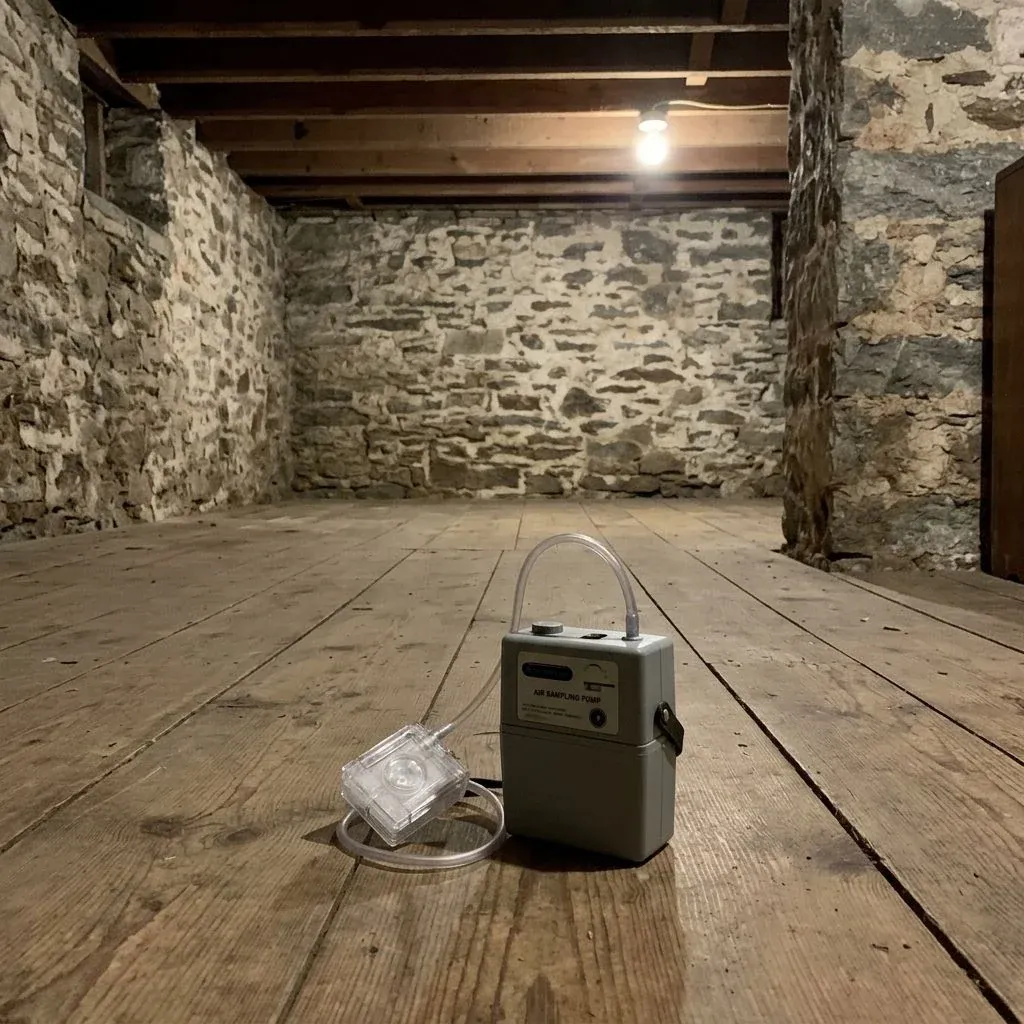
Sampling Only When the Answer Would Change
When mold is visible, EPA says sampling is usually unnecessary, since the next step is the same either way: fix the water and clean up the growth. We sample when a sample earns its lab fee, such as a musty smell with no visible source, a legal dispute that needs records, or a check after remediation.
Each sampling visit includes an outdoor control sample, so the lab can compare your rooms with the outside air on the same day. EPA also notes that no federal limits exist for mold or spores, which is why our reports never print a pass or fail number.
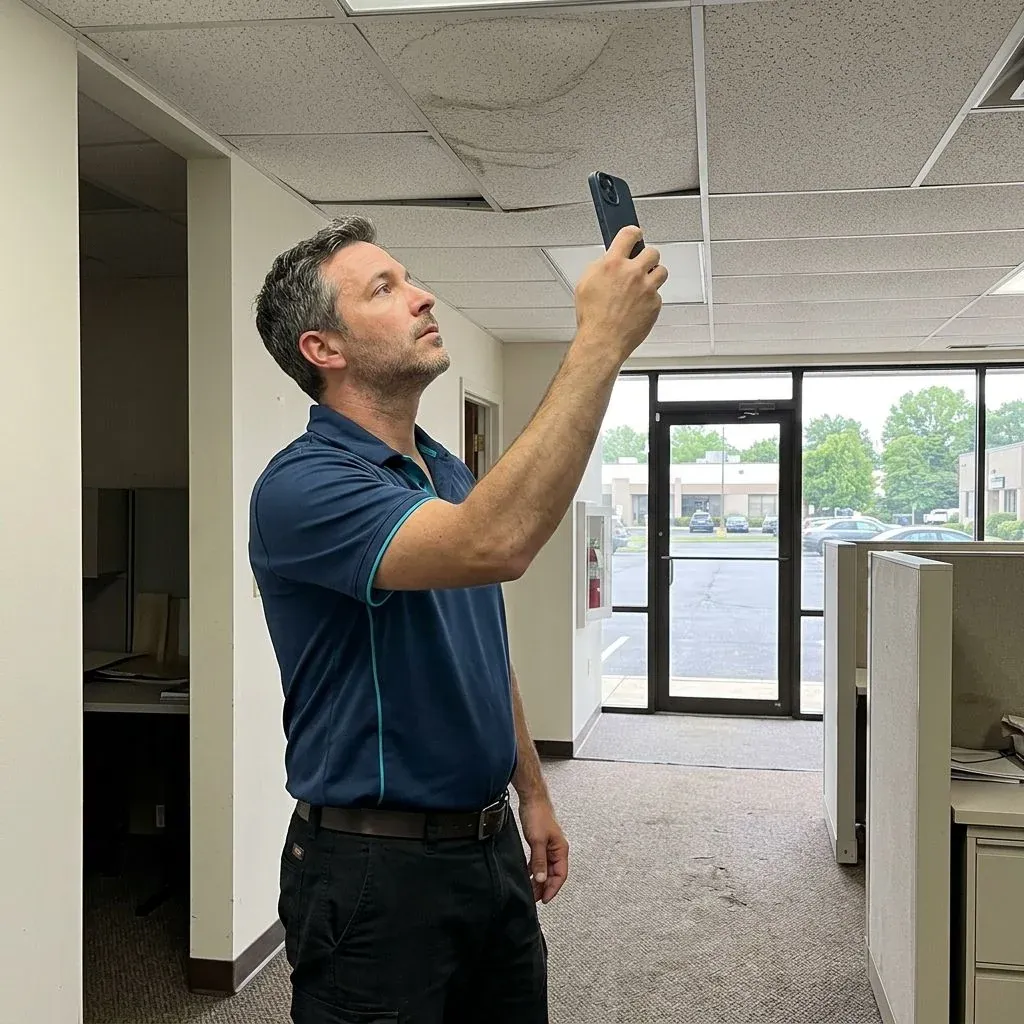
Before a Sale, After a Leak, or After a Complaint
Most mold inspections are bought at one of three moments: before a sale or a lease is signed, after a leak or flood has been dried out, and after a tenant or employee complains about the smell. Each of those moments calls for a dated record more than a quick opinion, because someone else (a buyer, a tenant, an insurer) will read the report later.
Rental buildings make up a large share of the work: in Trenton, the Census Bureau's American Community Survey counts 62.1% of occupied housing units as rented, and a landlord there often needs the findings in writing to answer a complaint. Insurance questions come up at all three moments, and our article on whether homeowners insurance covers mold explains why the policy wording, not the inspector, settles them.
What Mold Inspection Services Do We Offer?
Every inspection we schedule is built from these three services, matched to the building.
- A visual and moisture survey, attic to basement
- Ductwork and air handler checks
- Follow-up checks once remediation ends
You get the fee in writing ahead of the visit, and each lab sample, if any, is listed separately with its purpose beside it.
How to Book a Mold Inspection and Use the Report
Tell us what you see or smell.
Call or use the form with the rooms involved and the date of any leak, and the fee is confirmed to you in writing first.
We survey, measure and decide on samples.
Anthony Ray, C&J's mold inspector, earned his Certified Residential Mold Inspector, Certified Commercial Mold Inspector and Certified Mold Remediator titles from the Professional Home Inspection Institute, and our survey reads every suspect surface with a meter before any sample is taken.
You get a report you can act on.
The written findings name the moisture source, the size of the moldy area in square feet and the materials involved, which is what any remediator needs to price the work fairly.
What Should a Mold Inspection Tell You?
A mold inspection should tell you where the moisture comes from and how large the damp area is, because a spore count by itself settles nothing. The source and the size are what decide the removal, the drying and the repair.
An air sample describes one room on one afternoon, so a number on its own cannot say what to tear out or why the growth started. The water source can, which is why our reports lead with the leak, the condensation or the gutter problem and place any lab results after it.
We will not sell you sampling you do not need, and we will say so on the spot when visible mold makes a lab fee pointless. Federal law gives inspectors no badge to point to, since EPA certifies no one to test for mold, so put the question to every company you call, ours too: which private organization issued the credential, and which person on the job holds it?
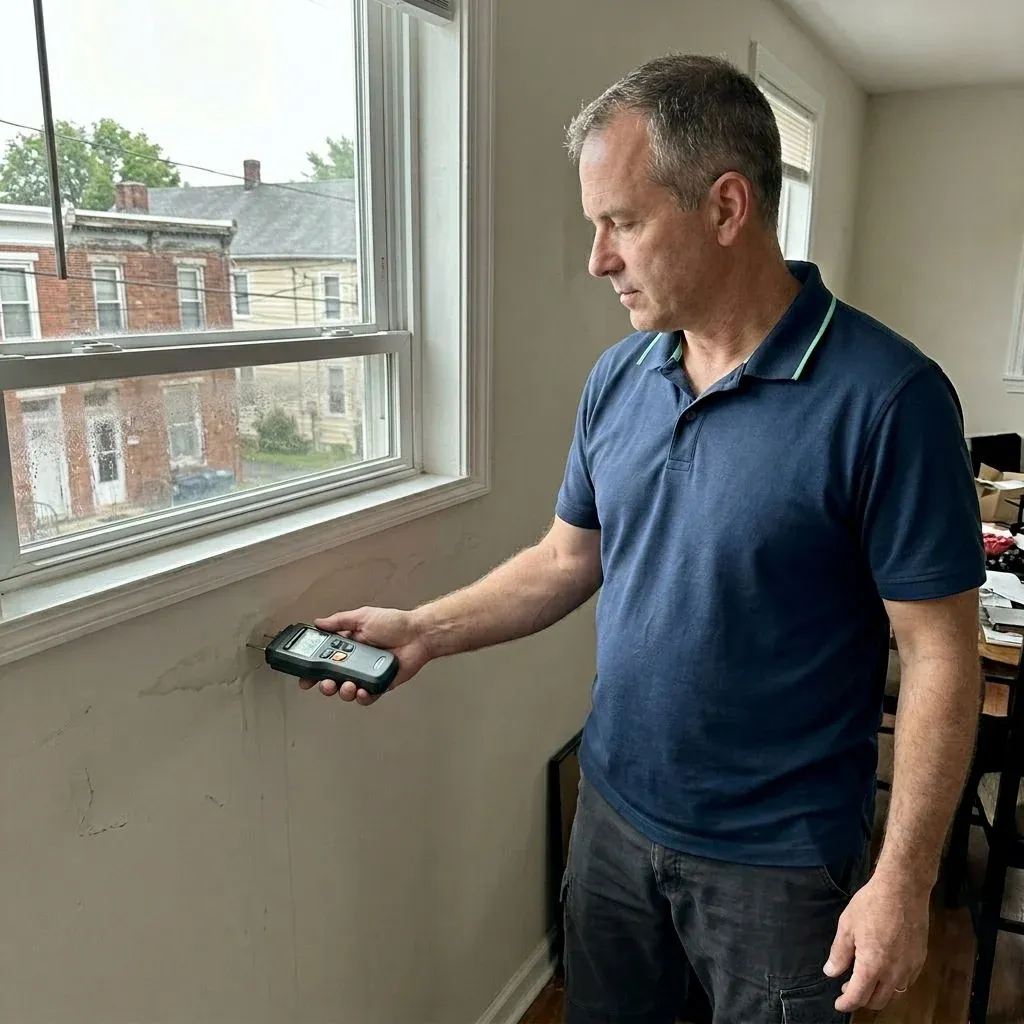
Who Books a Mold Inspection, and Where Do We Look?
Rather talk it through?
(844) 620-7505, answered 24/7
Who usually books a mold inspection?
The people who usually book a mold inspection are buyers and sellers, landlords answering a tenant, facility managers fielding staff complaints, and owners who smell something musty but see nothing. A second opinion before an expensive remediation is another common reason, and a sound one.
Where do we look inside a building?
Inside a building we look wherever water collects or condenses: under sinks, behind washers, along basement walls, in attics over bath fans and on cold exterior walls behind furniture. In commercial space we add the condensate pans inside the air handler, the plenum overhead and any shaft where plumbing climbs from floor to floor.
When is the right time to book one?
The right time to book one is before a decision depends on the answer: before you sign, before you open a wall, or before you pay for a cleanup. If water soaked something and stayed wet longer than 24 to 48 hours, book soon, and our guide to when mold remediation is required covers the next decision.
How Much Does a Mold Inspection Cost?
A mold inspection costs $300 to $600 when it is a look with a meter and no lab work, and $300 to $800 when the visit adds lab-tested air samples, for a house smaller than 2,500 square feet, rising to $600 to $1,200 for larger houses or HVAC that is hard to reach. Those are national market ranges from Fixr's mold inspection cost guide, not C&J's rates, and your own price is written down before the visit.
| Scope | What it usually means | Market range |
|---|---|---|
| Visual inspection with moisture readings, no lab samples | a walk-through with a flashlight and a meter, findings in writing | $300 to $600 |
| Inspection with air samples and lab analysis, home under 2,500 square feet | the same survey plus indoor and outdoor air samples sent to a lab | $300 to $800 |
| Larger home or hard-to-reach HVAC | more rooms and levels, or ducts and air handlers that take time to open | $600 to $1,200 |
Published national ranges for budgeting only, never a C&J price, and inspections of offices or other commercial space are priced after a look at the building.
- Why does each added sample raise the price?
Each added sample raises the price because the lab analyzes and bills every one separately, and guides price each one beyond the first two at $60 to $80. We take only the samples your question needs and tell you what each one is for before it goes to the lab.
- Is a buyer's general inspection enough to find mold?
A buyer's general inspection is not enough to find mold, because it covers the roof, the wiring and the structure in one pass, while a mold inspection gives every minute of the visit to moisture and growth. Pennsylvania's home inspection law does not cover a mold assessment either, so the two are separate services with separate reports.
- Who should check the work after remediation?
Anyone qualified you choose can check the work after remediation, including an independent inspector with no part in the cleanup, and published guides list clearance testing at $100 to $500. We both inspect and remediate and say so up front, and the New Jersey Department of Health's mold guidelines tell owners to consider a different company for testing, advice we back.
What Should You Have Ready Before the Inspection?
Have the date of any leak or flood ready, along with the rooms where the smell is strongest and any earlier test results. If you already know the job needs a cleanup, the remediation estimate visit is free, while the lab-backed inspection is a separate, paid service.