
Professional Mold Remediation | C&J Environmental
Mold remediation is the work of finding the water that feeds mold, sealing off the affected area, removing what cannot be cleaned and proving the space is back to normal. We do it for homes, rentals and businesses on both sides of the Delaware, and every job starts with moisture readings rather than a guess.
- (844) 620-7505answered 24/7
- Warminster, PA
- Restoration · homes and businesses
- Clients served
- 1,100+
- Google rating, 26 reviews
- 5.0
- Emergency response
- 24/7
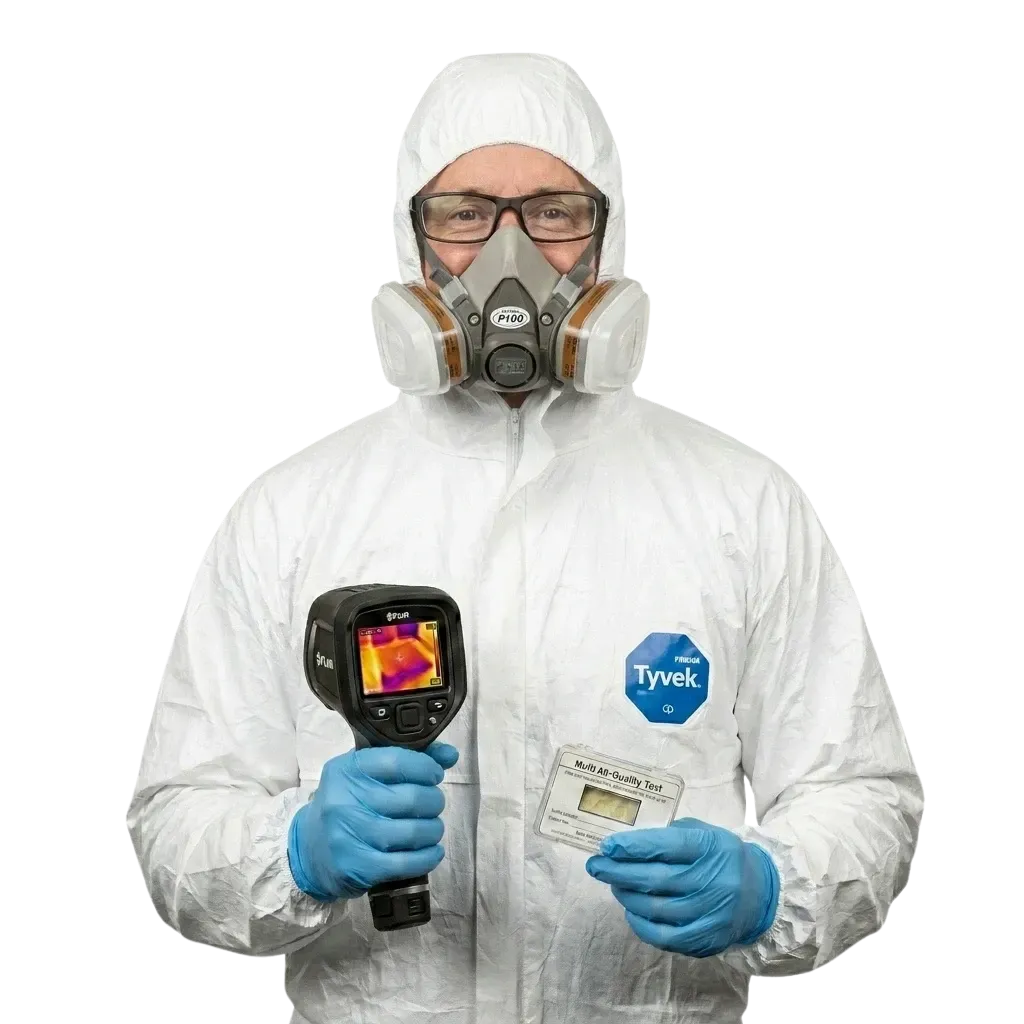
- 14 years in business, since 2012
- IICRC Certified Firm
- EPA Lead-Safe Certified Firm
- The moisture source found before any removal
- Containment sized to EPA's guidance
- Your own clearance inspector always welcome
This page explains mold remediation as C&J Environmental runs it for houses, rentals and commercial buildings across Bucks, Montgomery and Philadelphia counties and the New Jersey towns across the Delaware.
The approach follows EPA's remediation guide: find and fix the moisture, size the containment to the moldy area, remove porous materials that cannot be cleaned, then HEPA-vacuum, dry and verify. C&J is an IICRC Certified Firm and an EPA Lead-Safe Certified Firm, and its mold inspector holds three PHII mold credentials.
The point to keep: most residential jobs land between $1,300 and $3,700 in published cost guides, and C&J will tell you when a small patch is one you can clean yourself.
Why Should Mold Remediation Begin With a Moisture Reading?
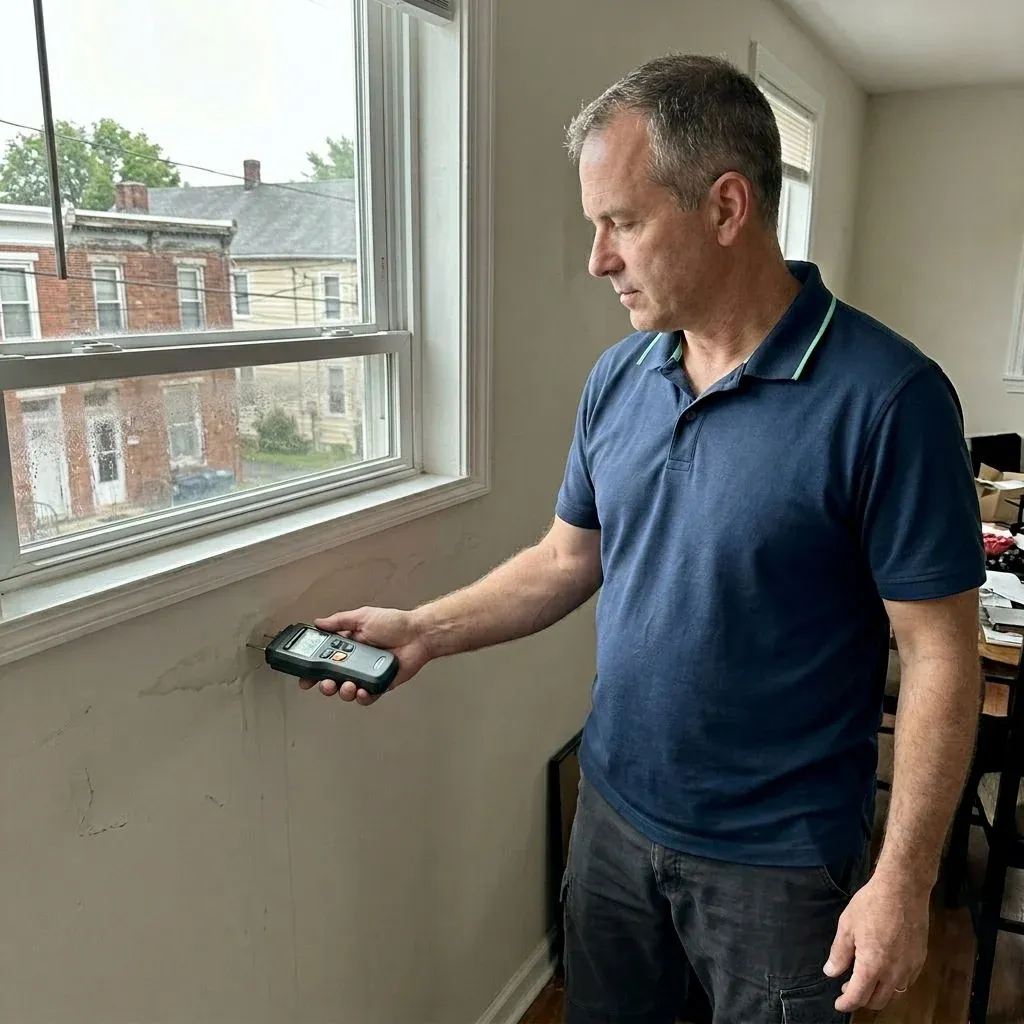
Mold remediation should begin with a moisture reading because mold only grows on material that stays damp, so the reading shows where the job really is. A stain on a ceiling tells you where mold surfaced, while the meter tells you how far the water traveled before it did.
- Readings map the wet area, so the estimate covers the whole problem and nothing extra
- The source gets fixed in the plan, since EPA treats moisture repair as part of the job
- Homes, rental units and occupied offices each get containment sized to the space
- IICRC Certified Firm
- EPA Lead-Safe Certified Firm
- Clearance by any inspector you pick
What Do Our Customers Say?
5.0 on Google from 26 reviews
Thorough assessment, remediated mold and addressed underlying issues. Space was also clean and neat following service. Fair pricing.
AshleyGoogle review, mold remediation
Very professional and answered all of our questions. Did the work promised and kept us updated every step of the way and was very thorough in removing our mold!
Caitlin P.Google review, mold remediation
Anthony and his team were quick, clean and polite. I called Anthony and within a week he had tested our basement, got a team out there to clean it, and sent out labs afterwards to verify they removed all of the mold.
Forrest H.Google review, basement mold
What Else Do Homes and Businesses Call C&J For?
Where Do We Remediate Mold in Pennsylvania and New Jersey?
What Does a Proper Mold Remediation Job Include?
A proper mold remediation job includes three things done in order: containment that fits the size of the problem, a clear rule for what is cleaned and what is thrown out, and a plan for the people still using the building.
Containment That Matches the Size of the Mold
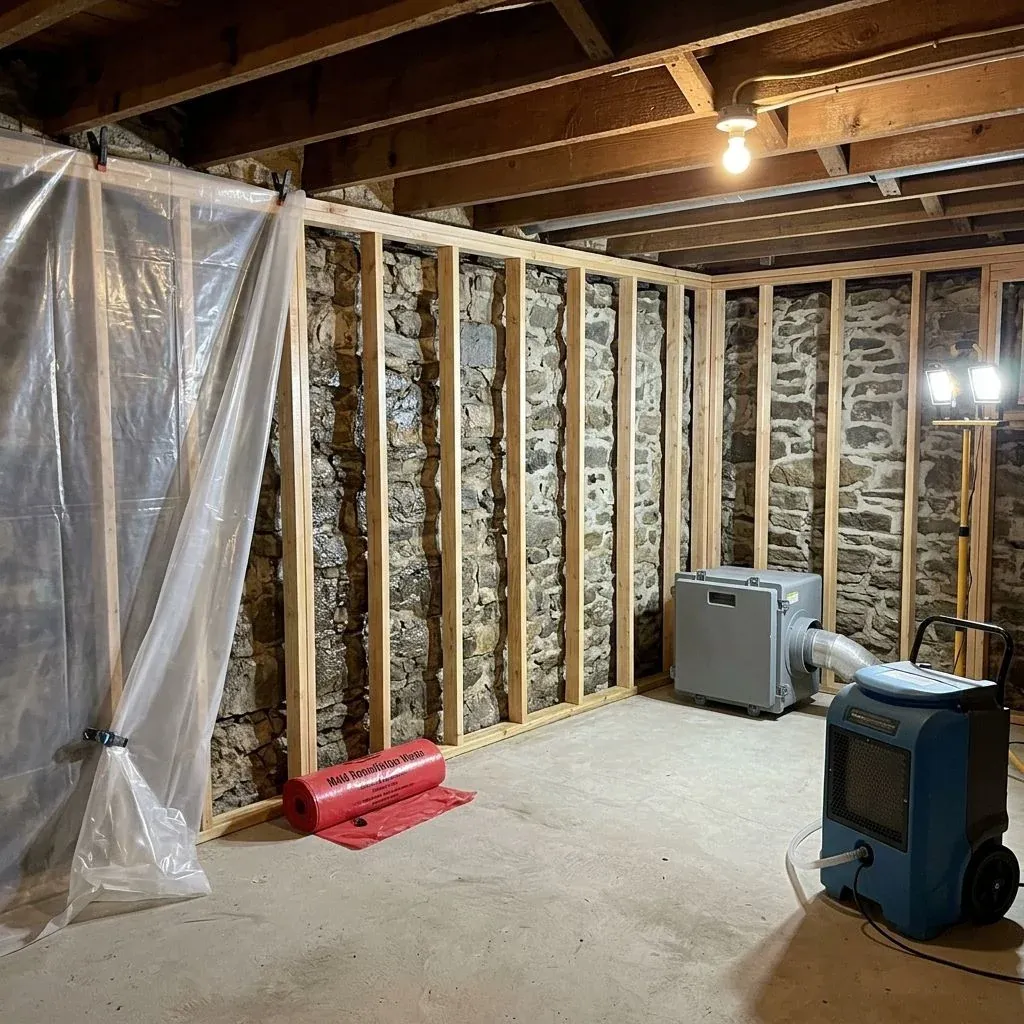
EPA's guide for schools and commercial buildings sorts jobs by area, and the IICRC S520 standard, a voluntary industry standard rather than a law, builds on the same idea. Under about 10 square feet needs gloves, goggles and an N-95 respirator but no containment, 10 to 100 square feet takes one layer of 6-mil fire-retardant plastic, and anything over 100 square feet gets double layers and an airlock for going in and out.
Inside the sealed area, a HEPA-filtered fan exhausts air outdoors, so the room sits at negative pressure and air leaks in rather than out. EPA gives a simple check anyone can make: the plastic should bow inward toward the work, and if it flutters or puffs outward, the seal has failed and work stops until it is fixed.
What Gets Cleaned and What Gets Thrown Out
Hard surfaces such as wood framing and concrete can usually be cleaned, while moldy drywall, carpet, ceiling tile and insulation are bagged in plastic and removed. EPA explains that mold grows into the pores of soft materials, which is why removing it completely from them is often impossible.
We do not fog a room with bleach and call it treated, because EPA and OSHA both say routine use of biocides like bleach is not recommended for mold cleanup. Our guide to what mold remediation actually is walks through the difference between killing mold and removing it, which matters because dead mold can still cause allergic reactions.
Remediation in Rentals and Occupied Businesses
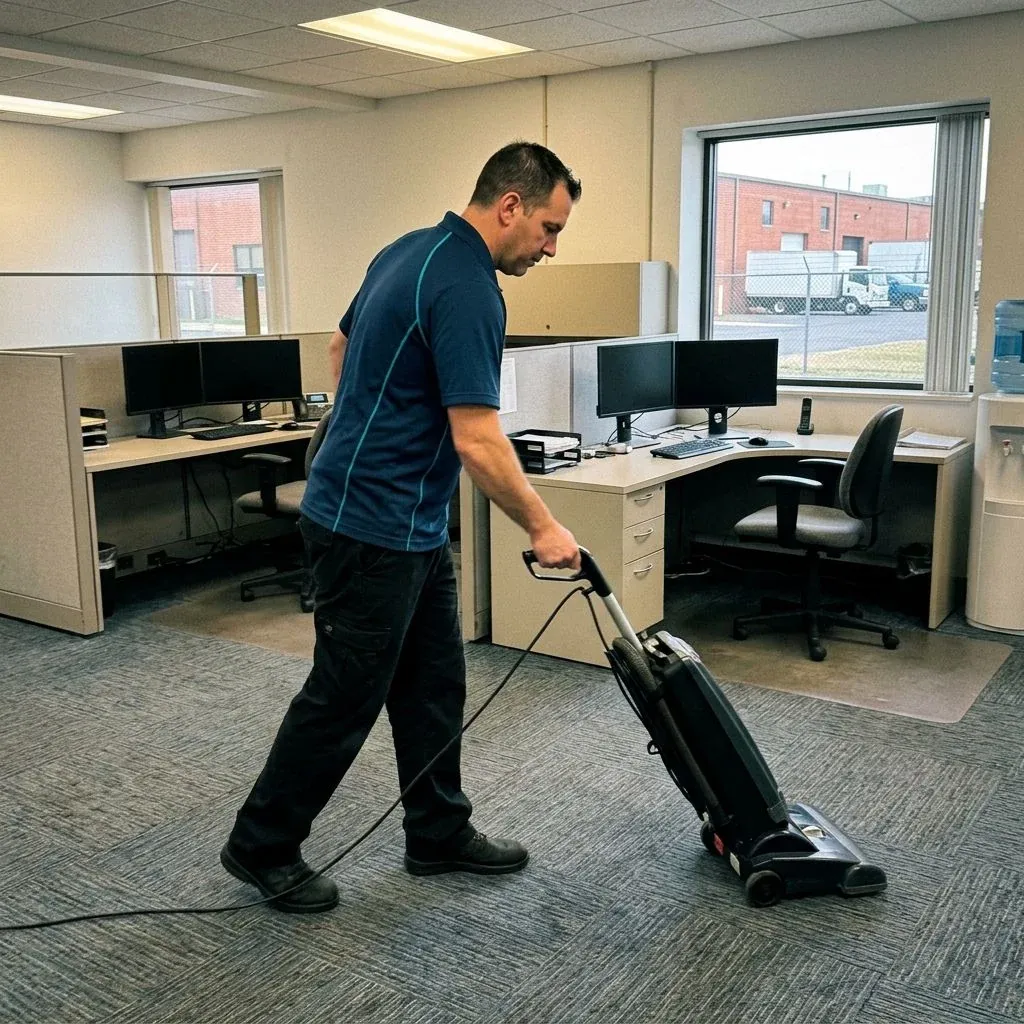
A business or a rental building can rarely close for a week, so EPA's guide calls for a remediation manager on medium and large jobs and for telling occupants what is happening and why. We schedule the loud and dusty work for off-hours where we can, and we keep the containment sealed so the rest of the building stays in use.
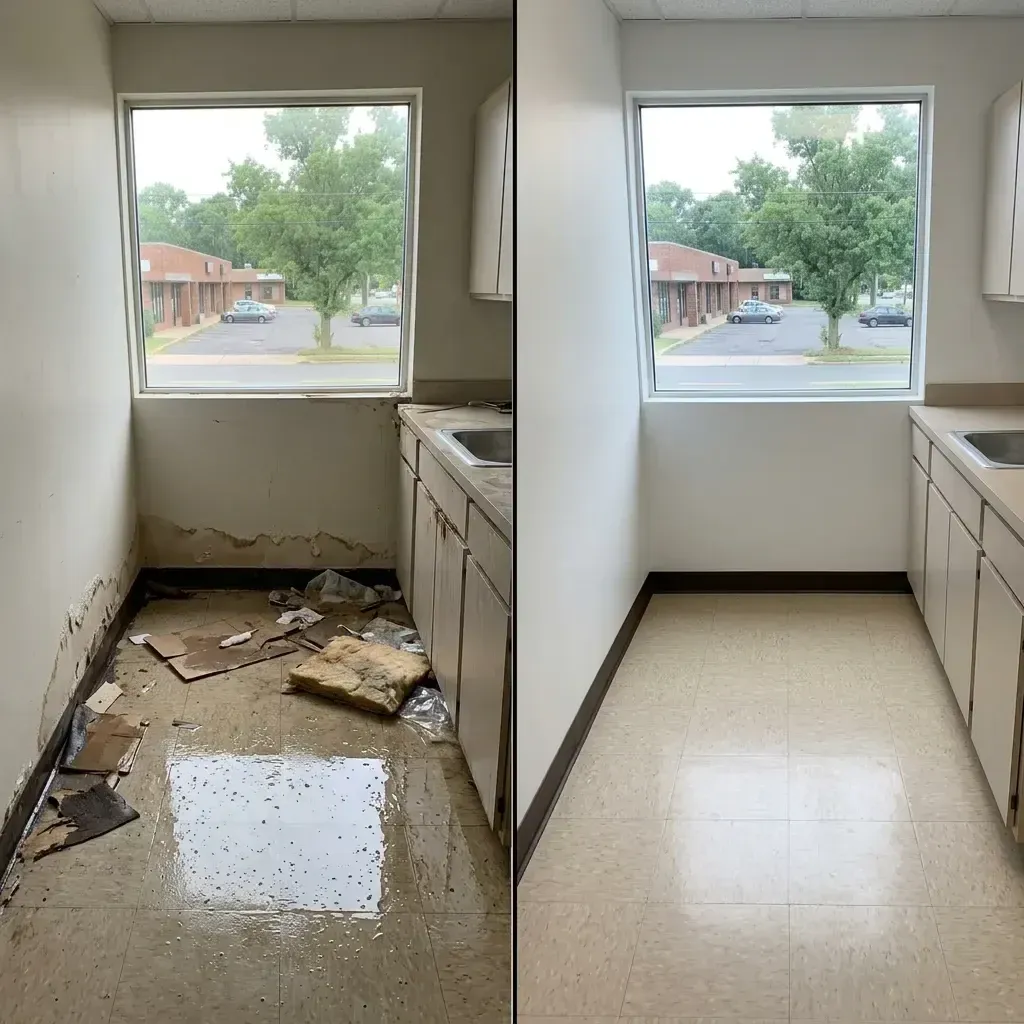
Landlords and property managers also need paper, and we provide it: the moisture readings, photos of the area before and after, and a scope that states what was removed. That record answers the questions a tenant, a buyer or an insurer is likely to ask later.
What Mold Remediation Services Do We Offer?
Every remediation job we take on draws on these three services.
- Containment and negative air set to the job's size
- The moisture source found, fixed and dried out
- Post-remediation checks, with clearance by your inspector
We both inspect and remediate, and we say so plainly. In Pennsylvania or New Jersey you are free to hire an independent inspector to check our work, and we expect some clients to do exactly that.
How to Choose a Mold Remediation Company You Can Check
Ask for readings and a written scope.
We look at the area, take moisture readings, find the source and write the scope and estimate before work begins. Anthony Ray, who leads our mold inspections, holds three Professional Home Inspection Institute credentials: CRMI, CCMI and CMR.
Sign before you pay.
No homeowner pays us before signing a written contract, and Pennsylvania and New Jersey both allow three business days to cancel a home improvement contract (in New Jersey, one over $500). Pennsylvania also limits the deposit on a home contract over $5,000 to a third of the price, plus special-order materials the contract lists.
Expect proof at the end.
The job closes with a HEPA cleanup, drying and a folder of readings and photos, and the clearance check can go to any qualified inspector you choose. New Jersey's health department advises considering a different company for testing than for remediation, and we will never argue with that choice.
When Is Mold Remediation Worth Paying a Company For?
Mold remediation is worth paying a company for when the moldy area tops about 10 square feet, when it sits inside a wall, an attic or the ductwork, or when it followed a sewage backup or a flood. Under about 10 square feet on a hard surface, EPA says most people can clean it themselves, and we will tell you so on the visit.
Mold follows water, and we find the water first. A crew that removes the mold and leaves the leak has sold you a repeat job, so the source repair sits on the first line of every estimate we write.
The goal is a normal indoor level, because EPA states there is no practical way to rid a building of all mold spores. Any company that guarantees mold will never return is promising something no standard defines.
Who Needs Mold Remediation, Where Does It Hide, and When?
Rather talk it through?
(844) 620-7505, answered 24/7
Who needs mold remediation most?
The people who need mold remediation most are owners of a space with more than a small patch, a musty smell that keeps returning, or water damage that stayed wet past two days. That includes homeowners and landlords, and it includes office, retail and warehouse managers responding to a tenant or staff complaint.
Where does mold hide in a building?
Mold hides behind drywall, under carpet and pad, above ceiling tiles, inside air ducts and in attics above poorly vented bath fans. EPA also warns that peeling back wallpaper over a damp wall can release a burst of spores, so we open those areas inside containment.
When should mold remediation happen?
Mold remediation should happen soon after a leak or flood that could not be dried within 24 to 48 hours, before the growth spreads into more material. Our article on mold mitigation versus remediation explains what can be done in the first hours and what waits for the full job.
How Much Does Mold Remediation Cost?
Mold remediation costs $1,300 to $3,700 for most residential jobs in published cost guides, with a small contained area at $500 to $1,500 and a whole house at $10,000 to $30,000. These are market averages from guides such as This Old House, not our prices, so use them to plan and expect a written estimate after a look.
| Scope | What it usually means | Market range |
|---|---|---|
| Small contained area | a bathroom corner or one closet wall, under about 50 square feet | $500 to $1,500 |
| Most residential jobs | one area opened, contained, cleaned and checked | $1,300 to $3,700 |
| Whole house | growth in several rooms or on more than one level | $10,000 to $30,000 |
Guide averages for planning only, gathered across thousands of homes, never our quote. Testing, clearance and repairs are priced on separate lines.
- How do per-square-foot figures fit in?
Per-square-foot figures fit in as the unit most guides use, $10 to $25 per square foot of affected area, which rises with tight access and hidden growth. Our full cost guide walks through how the size, the location and the materials push a job up or down.
- What sits outside the remediation price?
Testing, clearance and repairs sit outside the remediation price, each written as its own line. Cost guides put replacement drywall at $1,000 to $2,900 and new carpet at $775 to $2,600 after removal, priced once the space is dry.
- How are commercial mold jobs priced?
Commercial mold jobs are priced after an inspection of the building, because the published cost guides cover houses and an office or warehouse rarely fits their tables. The estimate names the containment, the off-hours work and the occupied areas, line by line.
What Should You Do Before the Estimate Visit?
Before the estimate visit, stop any active leak you safely can, leave the moldy area undisturbed and note when you first saw the stain or smelled the musty air. Then book the visit, which is free, and we will bring the moisture meter and leave you a written estimate.