
Mold Remediation in Glenside, PA
Mold remediation in Glenside, PA most often means a prewar building, because 1,673 of the community's 2,879 housing units, 58.1 percent, were built in 1939 or earlier. Each job here begins by finding the moisture behind the growth, and the readings plus a written estimate reach you before a single piece of drywall moves.
- (844) 620-7505answered 24/7
- Warminster, PA
- Restoration · homes and businesses
- Clients served
- 1,100+
- Google rating, 26 reviews
- 5.0
- Emergency response
- 24/7

- 14 years in business, since 2012
- IICRC Certified Firm
- EPA Lead-Safe Certified Firm
Glenside, a railroad suburb in Montgomery County where most housing predates World War II, is the setting for this look at mold remediation in older houses, rentals and storefronts.
C&J Environmental works from EPA's remediation guidance: the moisture is corrected first, the affected area is sealed under negative air, and materials that cannot be saved are removed before a HEPA cleanup and a verification check. C&J is an IICRC Certified Firm and an EPA Lead-Safe Certified Firm for paint in pre-1978 rooms.
One number to note: when mold reaches an HVAC system and its ducts, cost guides put the work at $3,000 to $10,000, which is why the air handler gets checked before a job is priced.
Why Do Glenside's Prewar Houses Hold Onto Moisture?
Glenside's prewar houses hold onto moisture because more than eight decades of roof work, plumbing changes and repairs leave seams where water can slip in and stay. With a median build year of 1938, the path the water takes is often one nobody has opened in a generation.
- 58.1 percent of Glenside's housing dates from 1939 or earlier, with a 1938 median
- Philadelphia NE Airport, about 7.6 miles away, logs 45.00 inches of precipitation a year
- 92.0 percent of units predate 1970, so tear-outs meet EPA's pre-1978 paint rule
- Moisture source found first
- Plastic sized to EPA tiers
- Your choice of clearance inspector
What Do Our Customers Say?
5.0 on Google from 26 reviews
Thorough assessment, remediated mold and addressed underlying issues. Space was also clean and neat following service. Fair pricing.
AshleyGoogle review, mold remediation
Stellar customer service and quick turn around time
Angela T.Google review
Great work, was quick and professional. As a local Realtor I will be using them in the future!
Robby D.Google review, local Realtor
Get your free estimate request sent in 60 seconds!
Mold Remediation in Glenside? Start With Who Trusts C&J
















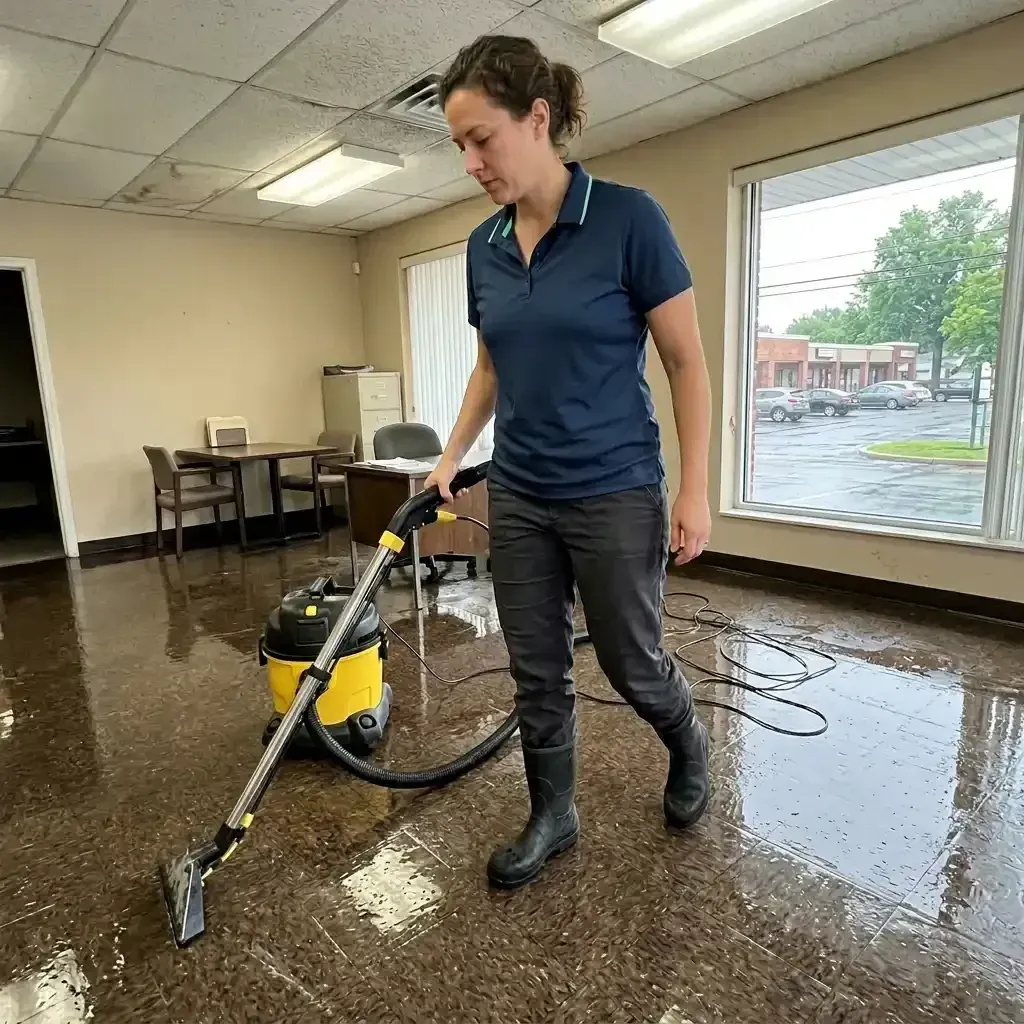
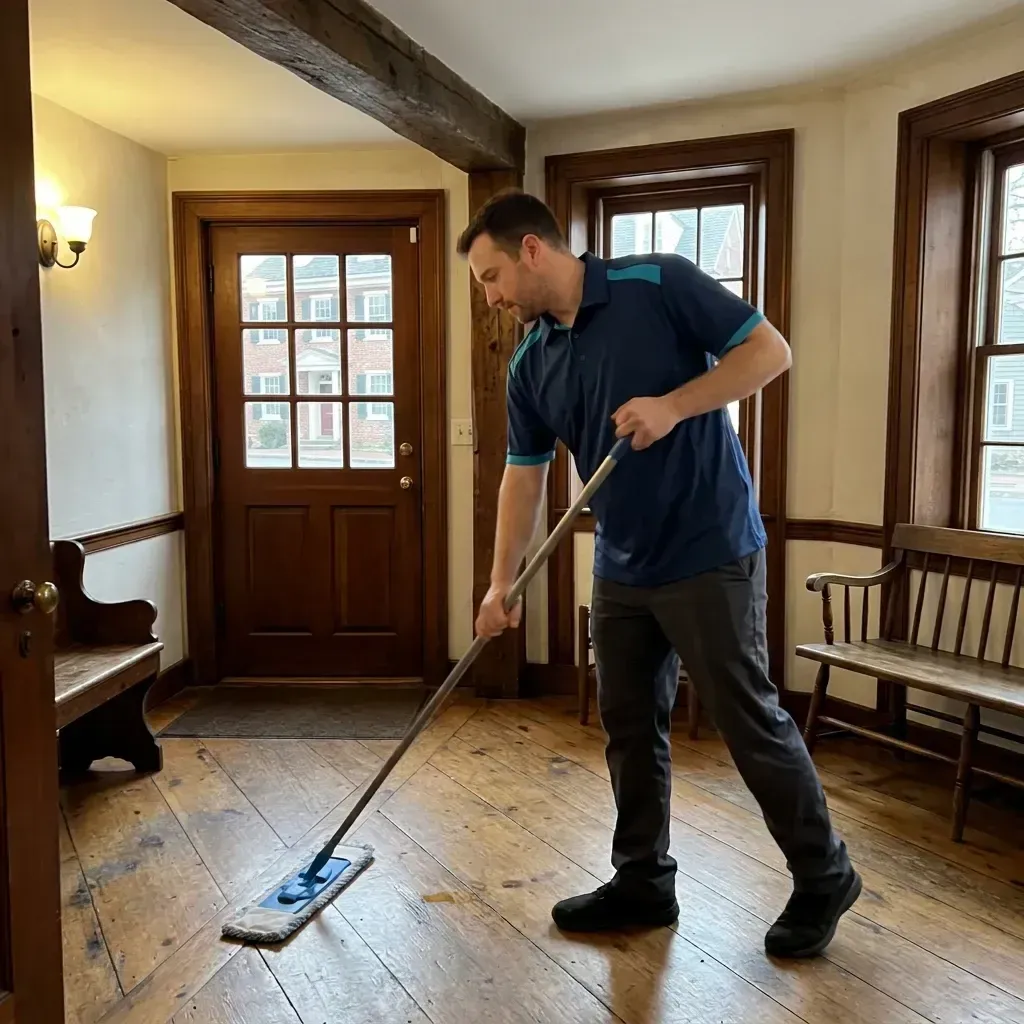
What Else Do Glenside Owners Ask Us to Handle?
Which Towns Around Glenside Do We Cover for Mold?
What Does Remediation Take in a Prewar Glenside House?
Mold remediation in a Glenside building with a 1938 median build year takes three steps in a fixed order: find the moisture, remove the growth inside sealed plastic, then confirm the room is back to normal.
Where Water Gets Into a Prewar Glenside House
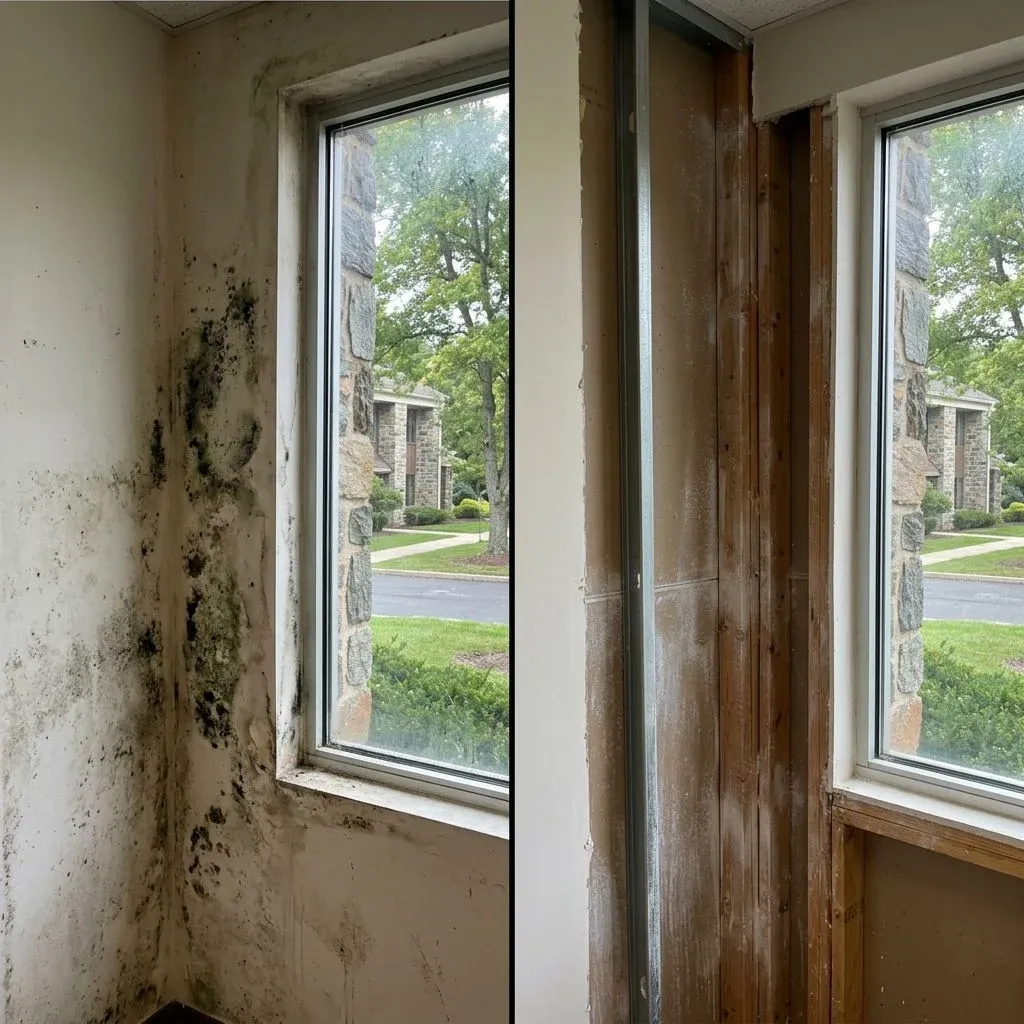
In a community where 92.0 percent of housing predates 1970, water usually finds its way in through an old window frame, a roof valley, a chimney flashing or a drain line that has been patched more than once. Mold on an inside wall is the sign, and the cause often sits a few feet away inside the framing.
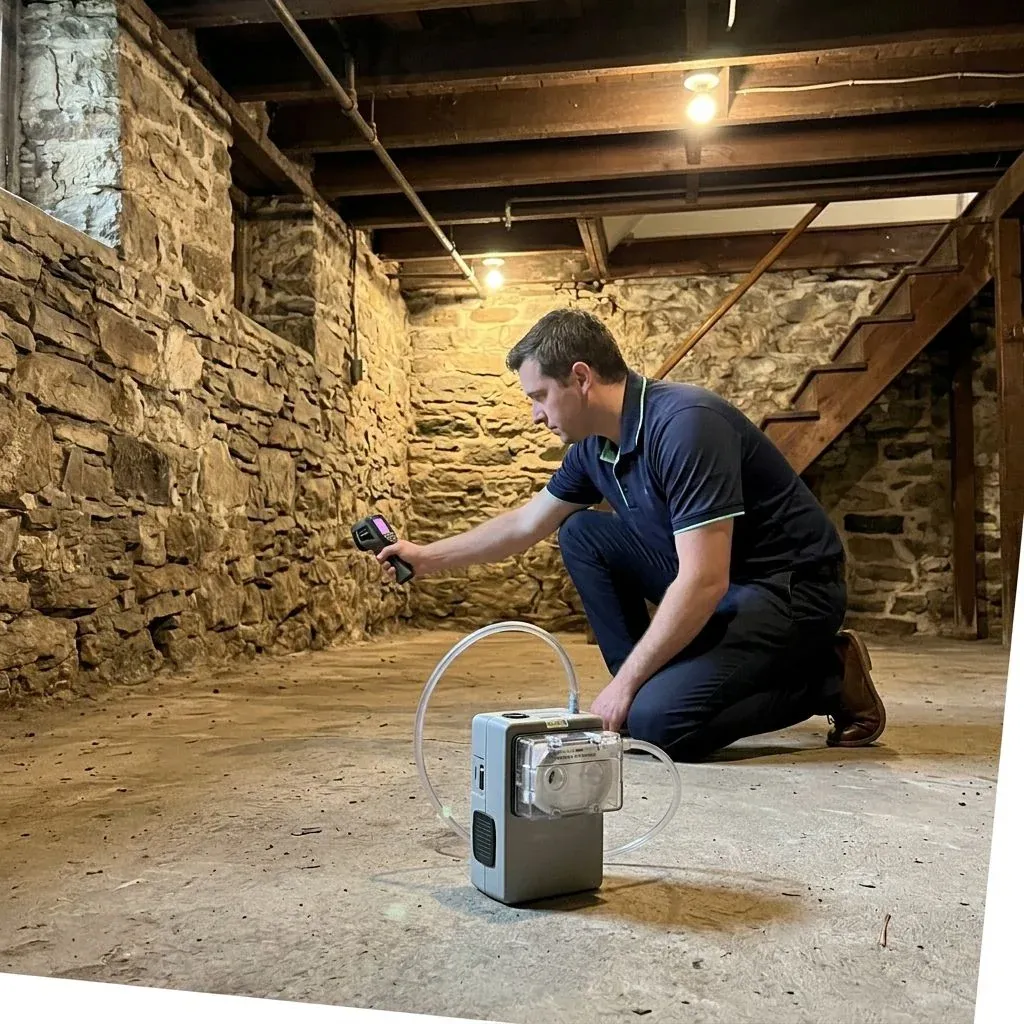
A pinless moisture meter, slid across the wall surface, reads dampness behind the paint without leaving holes, which matters on older finished walls. Every wet reading gets marked on a sketch of the room and carried into the written estimate.
Containment and Removal in an Older Glenside Building
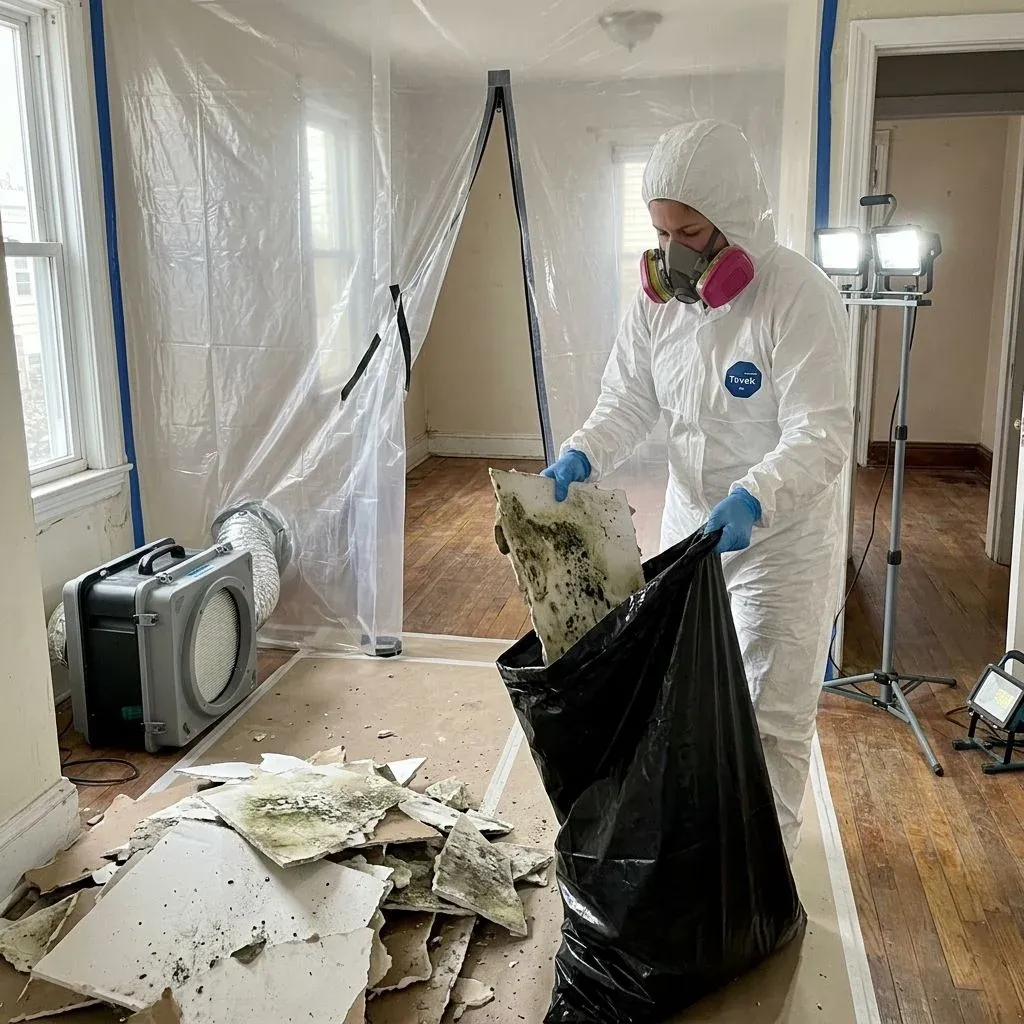
Around the work area we hang walls of 6-mil sheeting, one layer for a moderate patch and two with an airlock once growth covers more than 100 square feet. A fan with a HEPA filter exhausts air outdoors to keep the space under negative pressure, so any gap in the plastic draws hallway air in rather than letting spores out.
In Glenside, where 93.4 percent of housing predates 1980, almost any wall we open holds paint that may contain lead, so the work follows EPA's lead renovation rule, which C&J meets as an EPA Lead-Safe Certified Firm. Moldy drywall, insulation, ceiling tile and carpet that cannot be cleaned are double-bagged inside the containment and leave through the zip door.
Confirming the Result Before the Walls Close
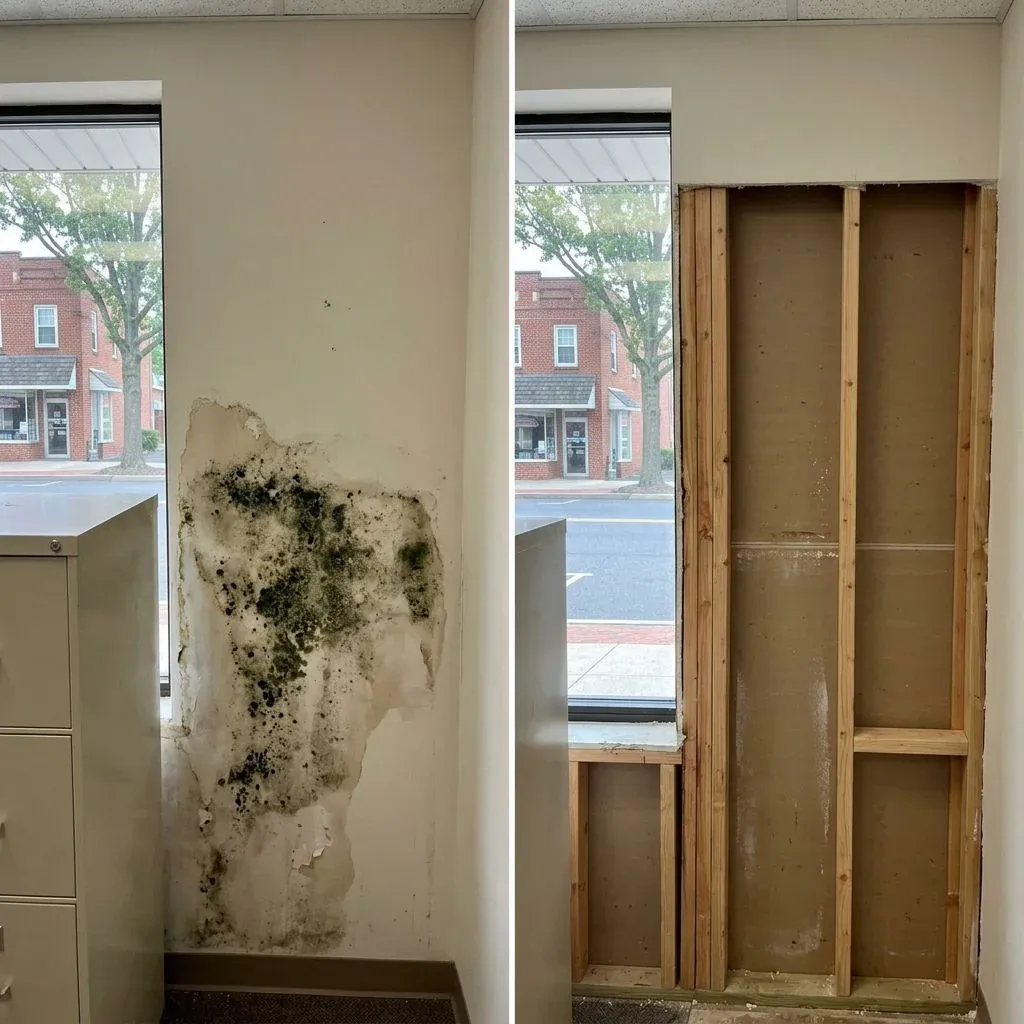
After removal, the work area is HEPA-vacuumed, dried to normal readings and taken through the post-remediation verification step that the IICRC S520 standard lists as part of professional mold remediation. The target is what IICRC describes as a return to normal microbial ecology, meaning ordinary indoor levels, never a promise of zero spores.
Our team does both jobs, inspection and remediation, and our mold inspector Anthony Ray earned his CRMI, CCMI and CMR from the Professional Home Inspection Institute. Even so, the clearance can go to an outside inspector of your choosing, and we will cooperate with them.
What Mold Remediation Services Do We Offer in Glenside?
For Glenside's older buildings, we group the work into three services.
- Mold cleaned or cut from walls and framing
- Ductwork and air handler remediation
- The moisture source corrected and dried
On the Abington side of Glenside, applications filed from 1 January 2026 follow the 2021 International Residential Code. Any rebuilding after a remediation there is permitted and built to that newer code.
How to Get a Glenside Mold Job Started
A walk-through with moisture readings.
We trace the stain to its water source, record the readings and photos, and leave a written estimate before any work is scheduled.
Contract first, cutting second.
A residential client signs a written contract before any payment, may cancel within three business days of signing under 73 P.S. 517.7, and on a contract over $5,000 never pays a deposit above one third of the price, with the cost of special-order materials added on top (73 P.S. 517.9(10)). After that, the containment and the removal begin.
Drying, HEPA cleanup and a final check.
The area is dried and HEPA-vacuumed, and the final readings and photos come to you with a note on anything found inside the walls.
Where Does Mold Remediation in Glenside, PA Start?
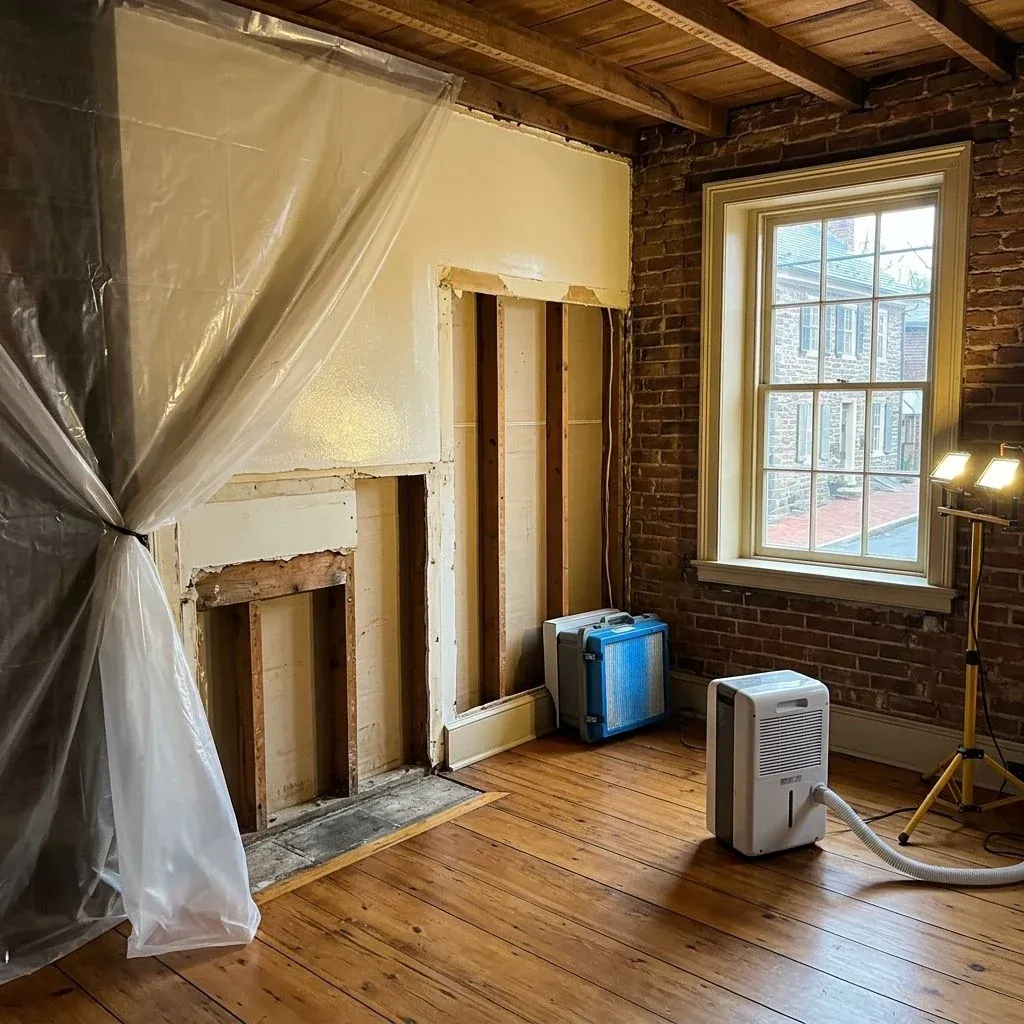
Mold remediation in Glenside, PA starts with the moisture source, and only after that source is found and fixed do we touch the growth. Old houses move water in odd ways, so a damp corner in a second-floor bedroom can be fed by a gutter, a chimney or a pipe in the wall.
EPA's brief guide to mold and moisture opens its basics by naming moisture control as the key to keeping mold in check. Clean the mold without drying the material, and the growth returns along the same damp line.
We do not paint over mold, seal it in place as a substitute for removal, or spray a product and leave. If a stained wall in a prewar house cannot be dried and cleaned, it comes out and gets rebuilt.
When Does Glenside Mold Need a Pro, and Who Calls Us?
Rather talk it through?
(844) 620-7505, answered 24/7
When does a Glenside mold problem need a professional?
A Glenside mold problem needs a professional once the growth spreads past about 10 square feet, the size both EPA and the Pennsylvania Department of Health use as the limit for cleaning it yourself. Below that, a healthy adult can usually clean a hard surface with gloves, goggles and a mask, as long as the leak gets fixed too.
Who brings us in on Glenside mold jobs?
Homeowners, landlords and business owners in the Easton Road business district bring us in on Glenside mold jobs. The call usually follows a smell or a stain that shows up after heavy rain, a sign the moisture is still active.
When is it too late to dry a wet wall instead of removing it?
It is too late to dry a wet wall instead of removing it once the material has sat wet longer than 24 to 48 hours, the limit EPA sets for drying, or once mold shows on it. Drywall and insulation past that point come out, while studs and other solid wood can often be cleaned and dried.
How Much Does a Glenside Mold Job Usually Cost?
A Glenside mold job usually costs $1,300 to $3,700, with a basement at $500 to $3,000 and duct and air handler work at $3,000 to $10,000, according to published market ranges. The bands come from published guides, This Old House's mold cost breakdown among them, which average national and Philadelphia-area jobs, so they frame a budget and say nothing final about your building.
| Scope | What it usually means | Market range |
|---|---|---|
| Basement | a below-grade room, usually concrete walls and a slab floor | $500 to $3,000 |
| Most home jobs | one affected room or area, sealed off and cleaned | $1,300 to $3,700 |
| HVAC system and ducts | growth in the air handler, the coil or the duct runs | $3,000 to $10,000 |
Each band averages many jobs reported by cost guides and is not our price for your building. Clearance testing and repairs are priced on their own.
- Why can two Glenside mold estimates differ so much?
Two Glenside mold estimates can differ because one sized the containment to EPA's tiers and the other did not, or because one accounted for mold hidden inside a wall. Materials matter too, since cleanable framing costs far less than moldy drywall and insulation that have to be cut out and replaced.
- What does a clearance test after remediation cost?
A clearance test after remediation costs $100 to $500 by published market ranges, and it is billed apart from the remediation itself. Lab fees for extra air samples and the rebuilding that follows are separate lines as well.
- Does insurance cover mold remediation in Glenside?
Insurance coverage for mold remediation in Glenside is your insurer's decision, based on your policy and what caused the moisture. What we provide is the paper trail an adjuster asks for, dated photos, readings and an itemized estimate, while you handle the claim directly with your insurer.
What Should You Do About a Mold Stain in Glenside?
Call us or send the form, and we will set up a visit to read the moisture and write an estimate for the stain or smell you are dealing with, and that estimate visit is free. Lab sampling, if it would change the plan, belongs to our separate paid mold inspection.