
Water Damage Restoration in Doylestown, PA
Water damage restoration in Doylestown, PA gets answered around the clock in a borough with its own creek, Cooks Run, which rises on Fonthill property just past the northeast boundary and drains toward Neshaminy Creek. Whatever the hour you phone, the crew's opening job is shutting off the source so the rooms are safe to enter.
- (844) 620-7505answered 24/7
- Warminster, PA
- Restoration · homes and businesses
- Clients served
- 1,100+
- Google rating, 26 reviews
- 5.0
- Emergency response
- 24/7
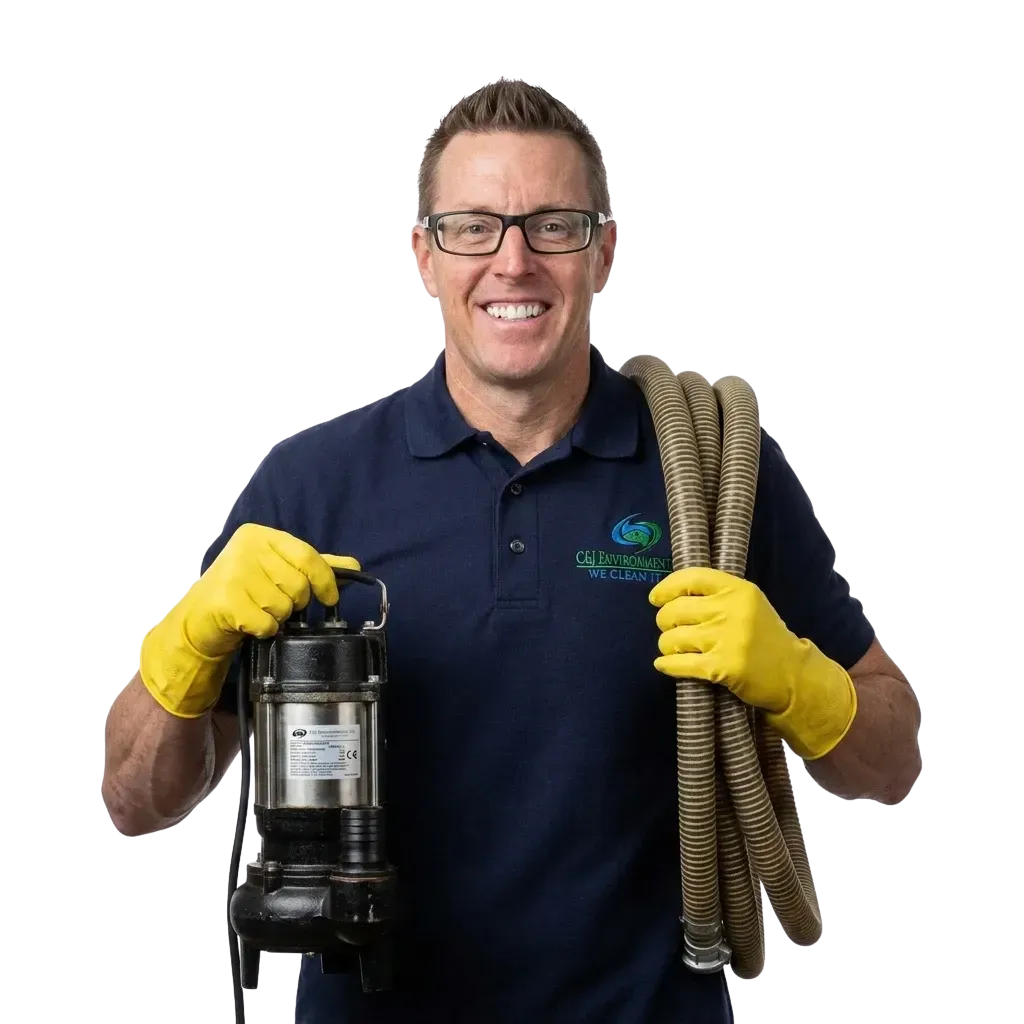
- 14 years in business, since 2012
- IICRC Certified Firm
- EPA Lead-Safe Certified Firm
This page covers water damage restoration for homes and businesses in Doylestown Borough, the Bucks County seat, where Cooks Run and Neshaminy Creek are the borough's natural water features.
C&J Environmental answers its line 24/7, stops the source, pulls out standing water and dries the structure against moisture readings taken every day, removing only what cannot dry. It is an IICRC Certified Firm and an EPA Lead-Safe Certified Firm for tear-outs in older walls.
For budgeting, national cost guides place most home water losses between $1,300 and $6,400, an average across many jobs rather than a quote for one building.
Why Can't Water Damage in Doylestown Wait for Morning?
Water damage in Doylestown can't wait for morning because EPA counts the drying time from the moment water arrives, and drywall, carpet or wood still damp after a day or two is where mold gets its start. The Doylestown airport station averages 105.7 nights a year at or below freezing, so a supply line splitting after midnight is an ordinary winter risk here.
- Cuts through pre-1978 paint made by an EPA Lead-Safe Certified Firm
- Cooks Run drains about 3.3 square miles from the borough's northeast edge
- Heavy-rain days, an inch or more, number 11.5 a year at the airport station
- Phones staffed day and night
- Drying recorded every day
- Wet-room photos for your insurer
What Do Our Customers Say?
5.0 on Google from 26 reviews
Stellar customer service and quick turn around time
Angela T.Google review
Anthony is excellent
Francis M.Google review
The crew and Anthony were great to work with
Jon P.Google review
Get your free estimate request sent in 60 seconds!
Water Damage Restoration in Doylestown? See Who Trusts C&J
















What Follows Once a Doylestown Building Is Dry?
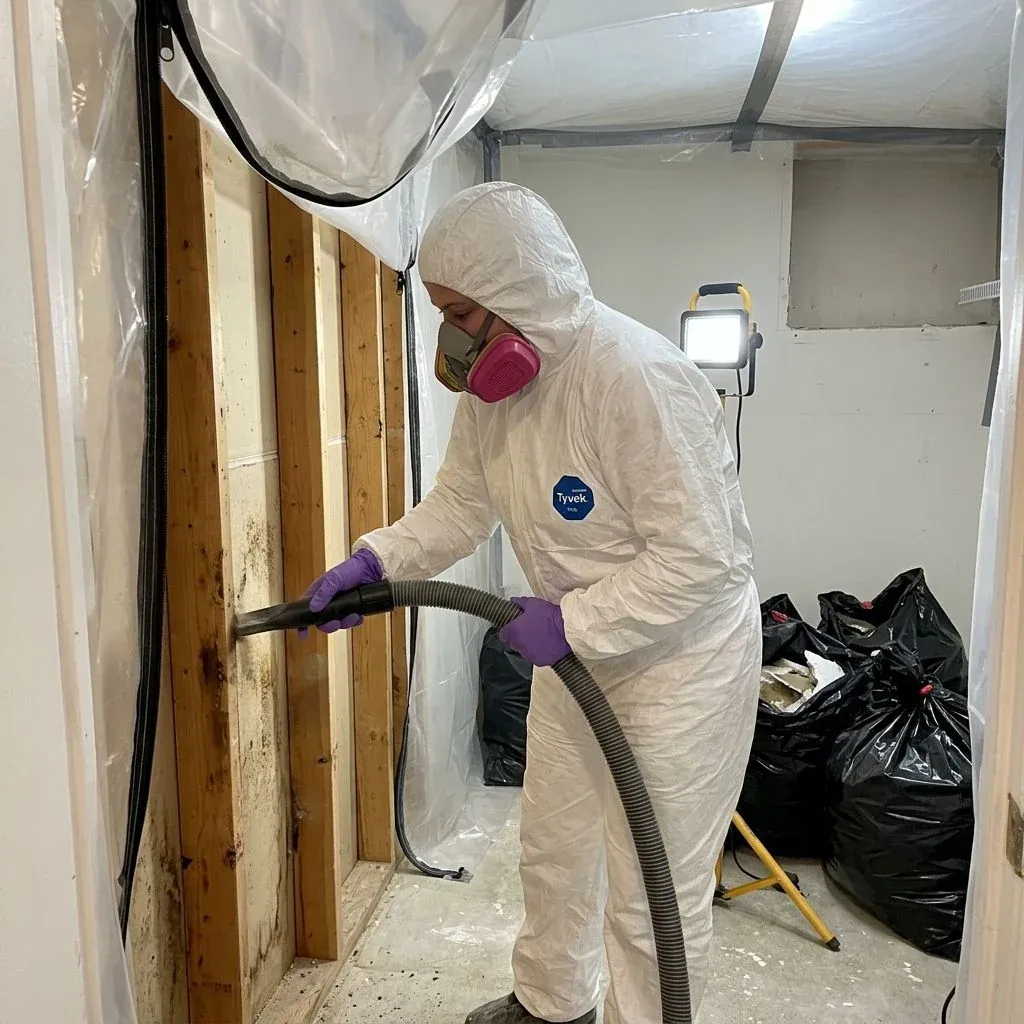
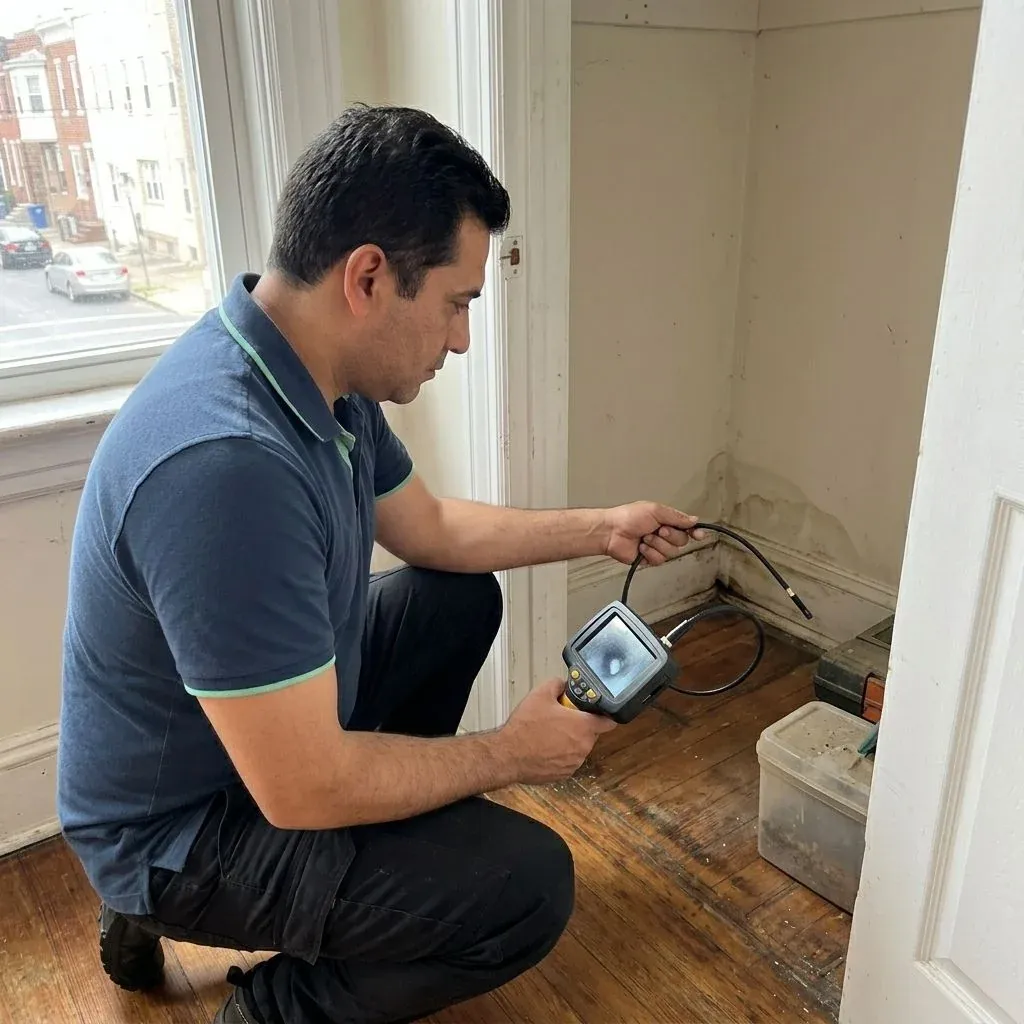
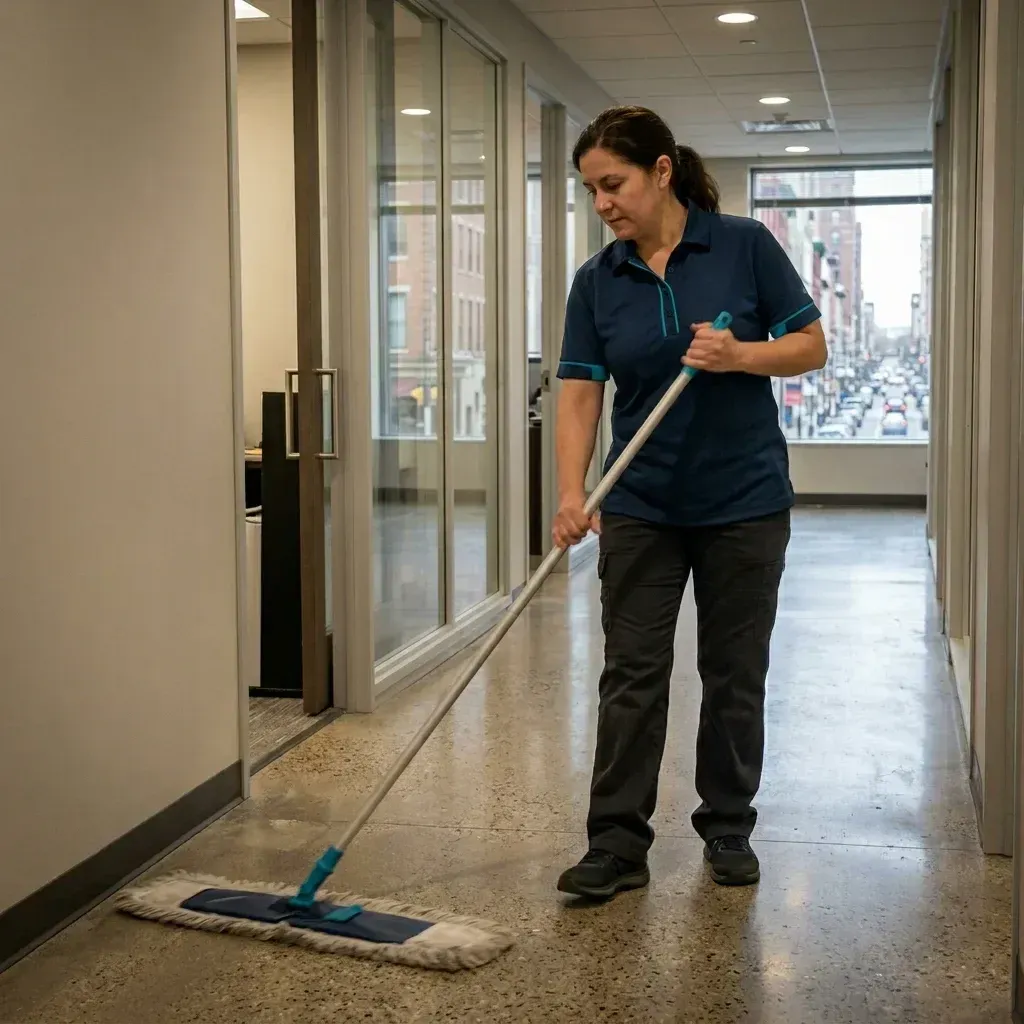
Where Else Near Doylestown Do We Dry Out Buildings?
What Do Our Doylestown Water Crews Actually Do?
Our water damage restoration work in Doylestown comes in three stretches: securing the building, drying it to measured targets, and sorting salvageable materials from the ones that have to go.
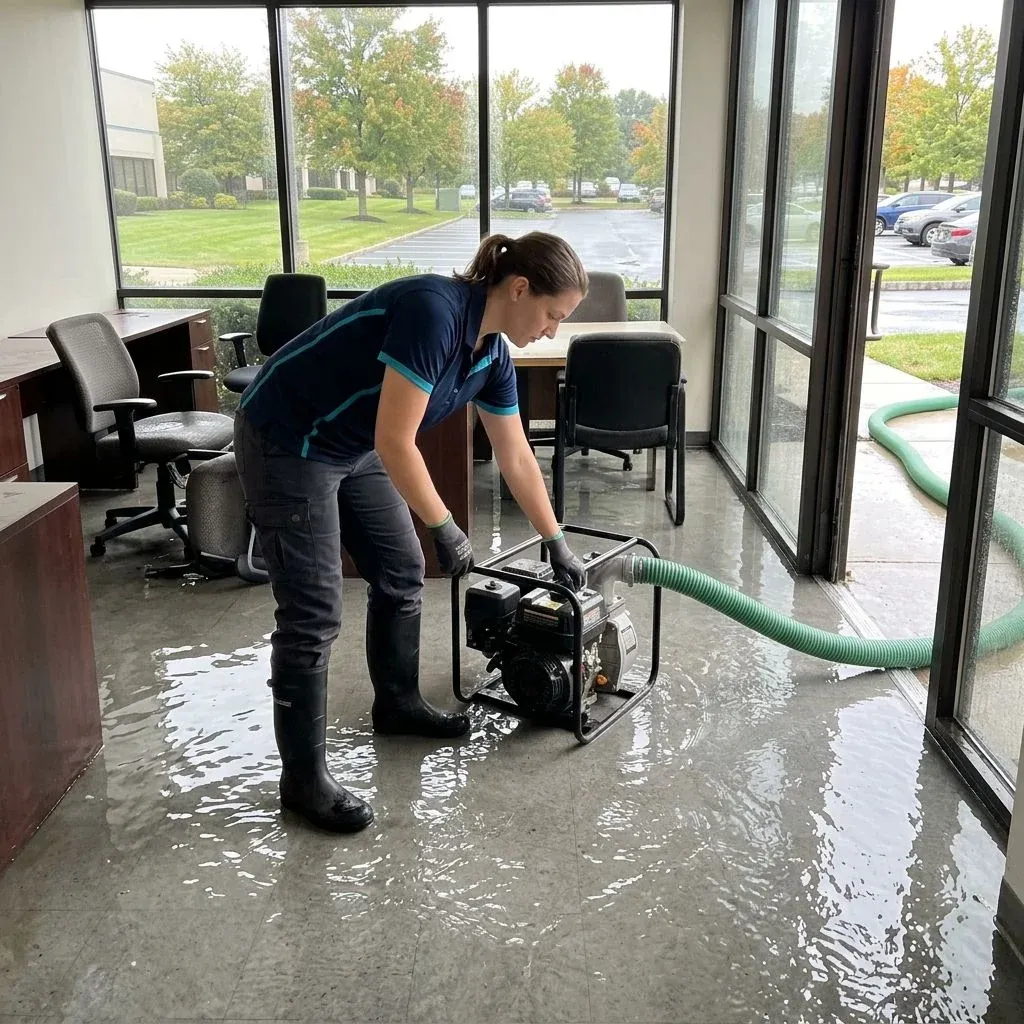
The First Hour After Water Reaches a Doylestown Floor
Before any machine comes off the truck, two things protect people: the main water valve gets shut by someone standing on dry footing, and breakers stay off for every room with water on the floor. Most of the borough's 105.7 freezing nights fall between December and February, so it pays to know where that valve is before a pipe splits in January.
Our crew also photographs each wet room before touching anything, the record EPA advises owners to make for their insurance company ahead of cleanup. Pumps and portable extractors then clear the standing water, because nothing dries while a floor is still covered.
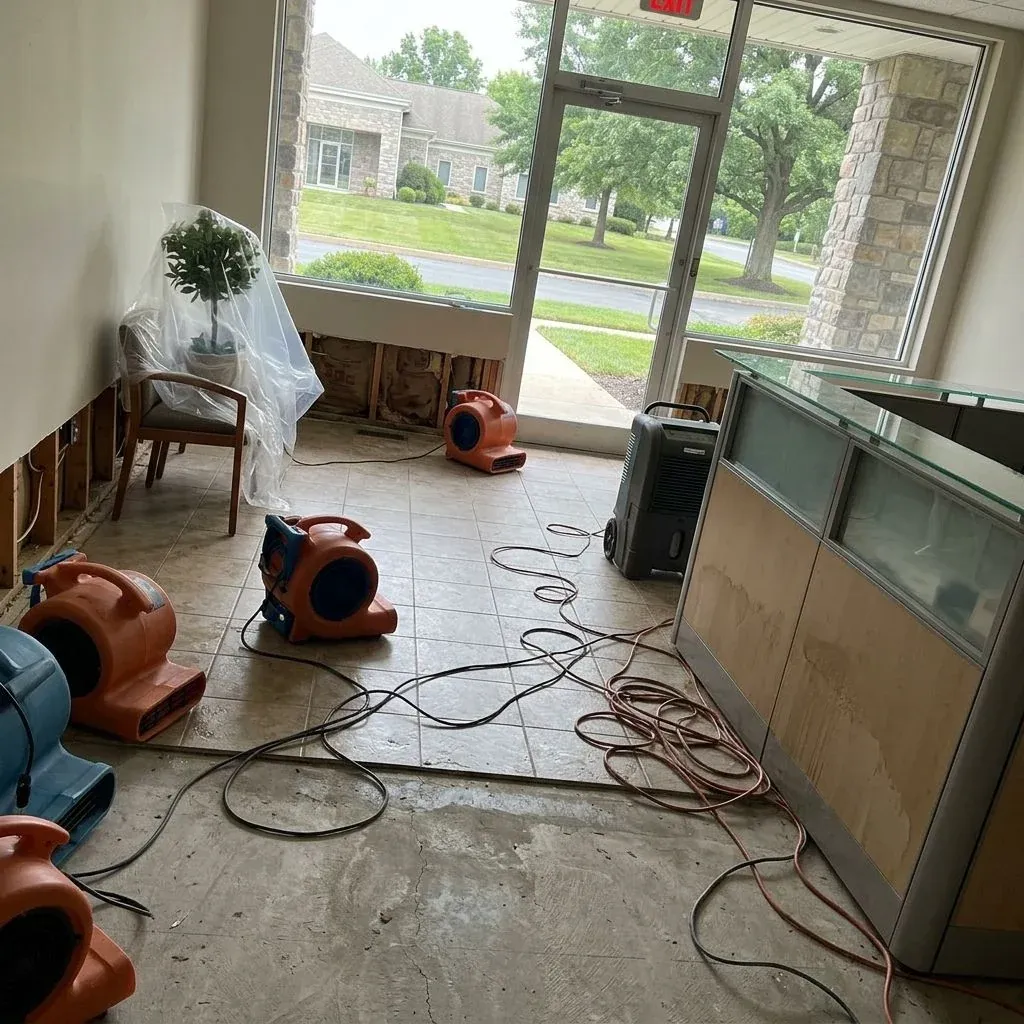
Drying a Doylestown Building to a Number
The drying follows the IICRC S500 standard, where a broken supply line counts as Category 1 because the water started out sanitary, dishwasher discharge counts as Category 2 because it can make people ill, and sewage or a flood off Cooks Run or Neshaminy Creek counts as Category 3, the grossly contaminated class. A roof leak in a storm does not count as Category 3 by default, and our technician decides the category inside the building after seeing what the water crossed.
Two machines do the work together: air movers, squat high-velocity fans that sweep across wet surfaces to speed evaporation, and dehumidifiers that wring that moisture back out of the room. Each day's meter readings on drywall, studs and subfloor go into a written drying log, and that log is what releases the equipment.
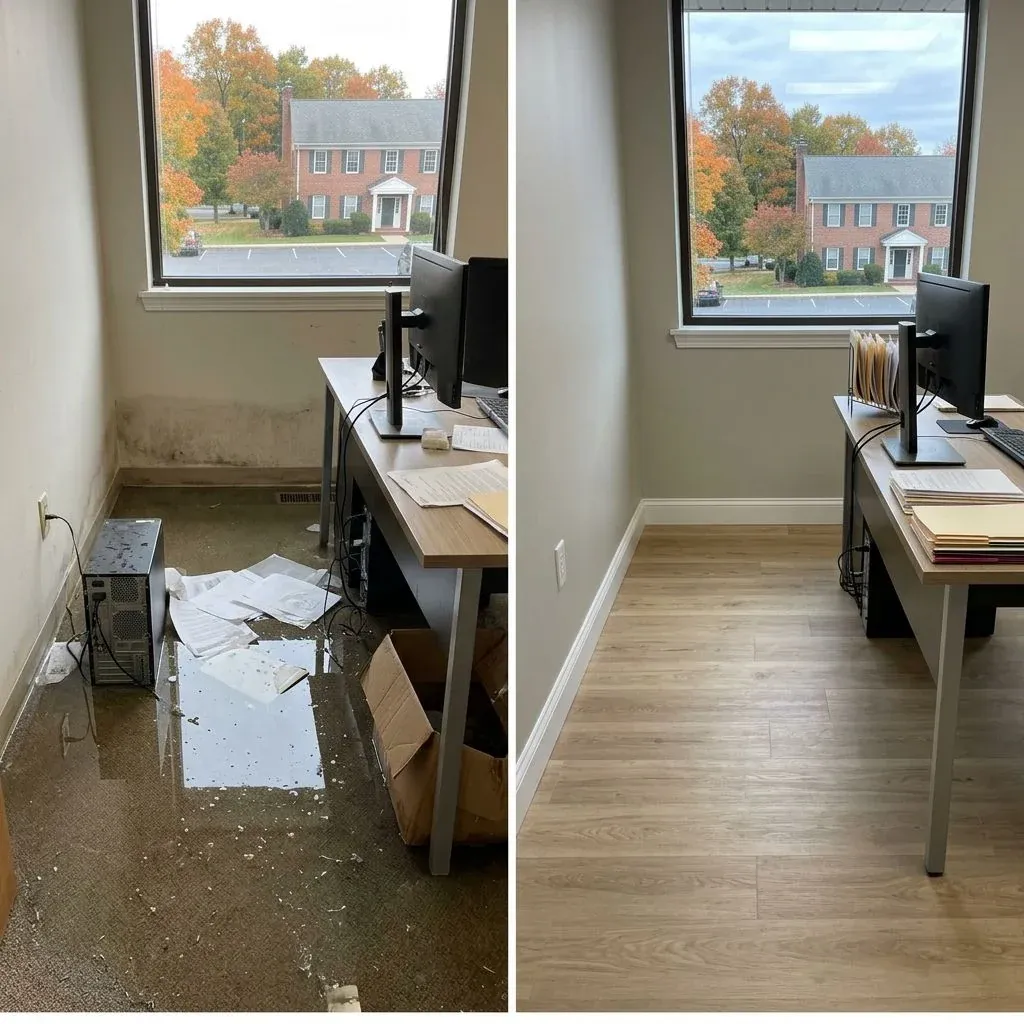
What Leaves a Wet Doylestown Wall, and What Stays
EPA's cleanup table sorts materials one by one: soaked ceiling tiles and insulation get replaced, and wallboard that has not swollen and still has sound seams can usually dry in place. Where a wall is too far gone, the crew snaps a level line a little above the high-water mark and removes everything below it, a flood cut, so the cavity behind can breathe.
Doylestown Borough's floodplain rules add one more test: a building damaged to 50 percent or more of its predamage market value must be brought fully into floodplain compliance. Many borough walls also hold paint older than 1978, which we open under EPA's dust-control practices, and mold found inside a cut moves that wall into our remediation process.
What Water Damage Services Do We Offer in Doylestown?
Three services cover nearly every water call we take in the borough.
- Burst pipes and failed appliance hoses
- Walls, floors and contents dried in place
- Storm and roof leaks sorted by category
FEMA adopted new flood maps for Bucks County on March 16, 2015, and the borough says those revisions moved some properties into the mapped floodplain and others out of it. The borough's floodplain administrator can tell you which side of that line a building sits on.
How to Stop Water Damage in a Doylestown Building
One call, any hour.
The first crew on site shuts down the source and makes the rooms safe to work in, and further work waits until a written estimate is in your hands and your signature authorizes it.
Extraction and a daily drying log.
Extraction clears the floor, the drying equipment goes in, and a technician logs the moisture in walls, framing and floors on every visit until the job ends.
A dry reading, then the rebuild quote.
Once the readings match dry material, you get the full log and the photo set, and replacement drywall, floors or trim are scoped again under a contract of their own.
Who Needs Water Damage Restoration in Doylestown, PA?
Water damage restoration in Doylestown, PA is for any owner whose walls, floors or framing took on more water than a fan and an open window can pull out within two days. A box fan dries the air in a room, while the water that matters sits inside the drywall and under the floor.
By the time a Doylestown room smells musty, the drying window has usually closed, so the call belongs on the day the water shows up. EPA's flooded homes guidance warns that belongings and building materials still wet after two days usually grow mold.
Floodwater from a creek and sewage from a backed-up drain both rank as Category 3, so the carpet, pad and drywall they reached are cut out and hauled away instead of dried. The borough's green stormwater channel on the Fonthill grounds, begun in November 2024, aims to ease erosion and flooding downstream, but no channel changes what creek water carries into a building.
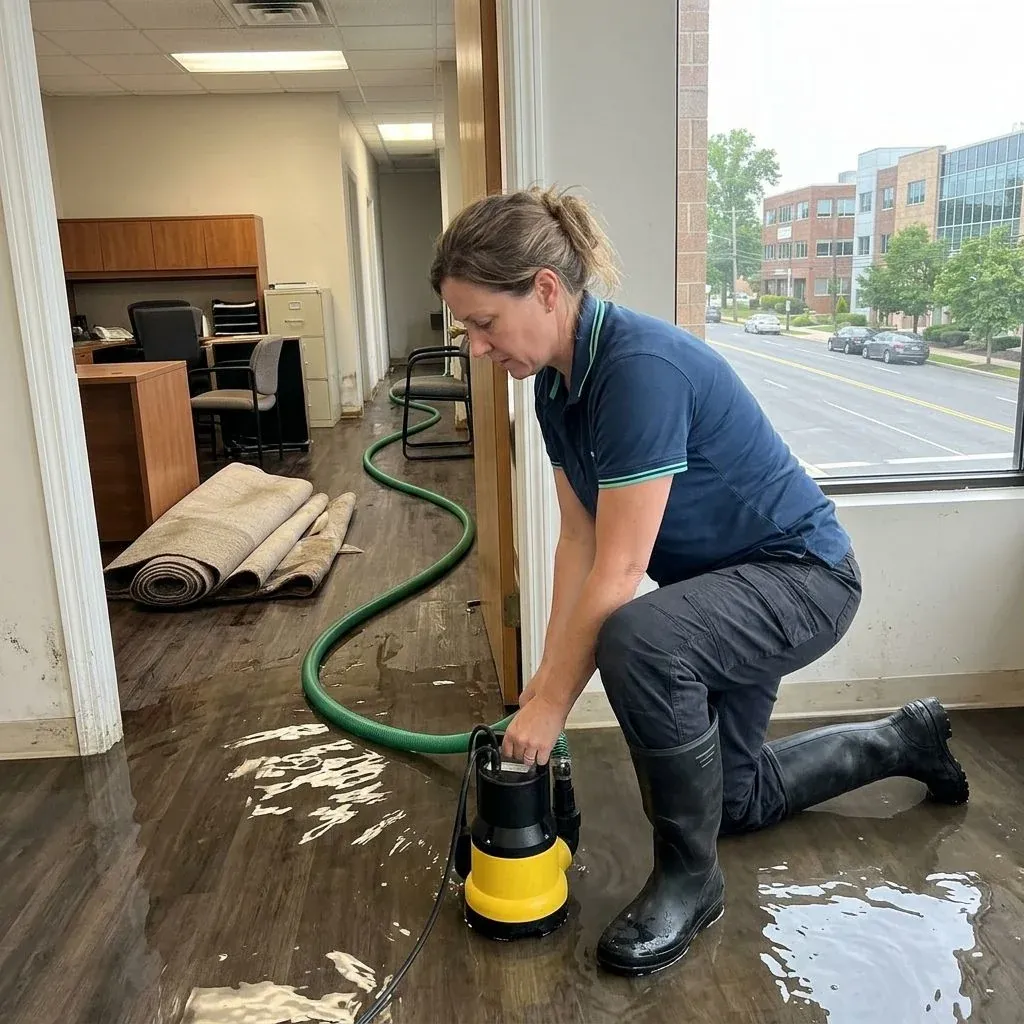
Where Water Hides in Doylestown and When to Call
Rather talk it through?
(844) 620-7505, answered 24/7
Where does water hide after a Doylestown leak?
Water hides after a Doylestown leak inside plaster and drywall, under floorboards and in wall cavities, often well past the damp spot you can see. In a building of two or three stories it also travels down through ceilings, so the readings cover the ceiling and floor of the story below, not only the room with the leak.
When should you call about water in Doylestown?
Call about water in Doylestown once the source is off, at whatever hour that happens, and we aim to arrive at your door within 2 hours, since the drying clock EPA describes starts with the first inch of water. Heavy storms are no rarity here either, with 11.5 days a year bringing an inch or more of precipitation to the airport station.
Who handles water damage in a Doylestown business?
In a Doylestown business, the owner or the building's manager is our point of contact, and the equipment schedule bends around the hours customers are inside. Downtown storefronts often share walls, so we also ask whether the water reached the unit next door.
How Much Does a Doylestown Water Loss Cost to Dry?
A Doylestown water loss runs $1,300 to $6,400 for a typical home job in published market ranges, while drying out a 500-square-foot basement is listed at $2,000 to $7,000 with repairs excluded, and mold found once walls are opened adds $1,200 to $3,800. Fixr and similar national guides publish those figures as averages rather than C&J prices, and your estimate comes after a look at the wet rooms.
| Loss | What it usually means | Market range |
|---|---|---|
| Most home water jobs | a leak or overflow through one or two rooms, extraction to dry | $1,300 to $6,400 |
| Drying a 500-square-foot basement, repairs excluded | equipment and monitoring for one lower level, no rebuild | $2,000 to $7,000 |
| Mold found once walls are open | growth discovered behind wet drywall during the tear-out | $1,200 to $3,800 |
National guide figures across many losses, not a C&J rate card, with the rebuild quoted after the drying log reads dry.
- How does dirty water raise a Doylestown bill?
Dirty water raises a Doylestown bill because dirty water brings containment, suits and respirators, and more tear-out before a single fan goes on. For sewage or floodwater, guides list $7 to $7.50 a square foot with the rebuild left out.
- Why do more drying days raise the total?
More drying days raise the total through equipment charges, since each air mover and dehumidifier is counted for every day it sits in the building. Plaster and old hardwood can hold water longer than modern drywall, which is why the log decides when the equipment leaves, not the calendar.
- How do our records help with a Doylestown insurance claim?
Our records help with a Doylestown insurance claim by gathering the dated photos, each day's meter readings and the line-item estimate into a single file for your adjuster. Coverage is your insurer's call, and you work the claim directly with them.
Is Water Coming Into Your Doylestown Building Now?
Call our 24/7 line now if water is still coming in, and shut the main valve first as long as you can do it from dry ground. If the leak is already under control, the online form books an estimate visit, and that visit costs you nothing.