
Water Damage Restoration in Norristown, PA
Water damage restoration in Norristown, PA has a hard benchmark: on September 2, 2021, the National Weather Service measured the Schuylkill here at 26.85 feet, a new record over the 25.10 feet of June 1972. Pick up the phone at any hour and our first two steps never change: stop the water if that can be done safely, then make the building safe to enter.
- (844) 620-7505answered 24/7
- Warminster, PA
- Restoration · homes and businesses
- Clients served
- 1,100+
- Google rating, 26 reviews
- 5.0
- Emergency response
- 24/7
- 14 years in business, since 2012
- IICRC Certified Firm
- EPA Lead-Safe Certified Firm
This page covers water damage restoration for homes and businesses in Norristown, a Montgomery County municipality where the Schuylkill River, Stony Creek and Saw Mill Run all carry mapped floodplain.
C&J Environmental answers its phone 24/7, removes standing water, sets the water category on site, dries the structure against daily moisture readings and takes out only what cannot be saved. The firm holds IICRC Certified Firm status and is an EPA Lead-Safe Certified Firm for tear-outs in older buildings.
The number to keep: drying clean water from a supply line runs about $3 to $4 per square foot in published cost guides, a market figure rather than a C&J quote.
Why Should Norristown Drying Start the Same Day?
Norristown drying should start the same day because EPA gives wet building materials one to two days to dry before mold becomes likely, and that allowance starts the moment the water arrives. A night spent with soaked carpet and swollen drywall is part of that allowance already gone.
- The Schuylkill topped its 1972 record at Norristown by 1.75 feet during Ida's 2021 flood
- Flood maps effective March 2, 2016 cover the Schuylkill, Stony Creek and Saw Mill Run
- The Norristown station logs about 107 days a year at or below 32 degrees
- Phone answered 24/7
- Daily readings in a drying log
- Water category set on site
What Do Our Customers Say?
5.0 on Google from 26 reviews
Stellar customer service and quick turn around time
Angela T.Google review
The crew and Anthony were great to work with
Jon P.Google review
Anthony & his team were extremely professional, quick to communicate/get on site, and provided excellent service at a fair price. Highly recommend C&J and will use them in the future if needed!
Tim T.Google review
Get your free estimate request sent in 60 seconds!
Water Damage Restoration in Norristown? See Who Trusts C&J
















Which Services Pick Up Where the Drying Ends?
Which Towns Beside Norristown Share the 24/7 Line?
What Are the Stages of Drying Out a Norristown Building?
Our water damage restoration work in Norristown moves through three stages, and skipping any one of them is how a room that looks dry ends up growing mold behind the paint.
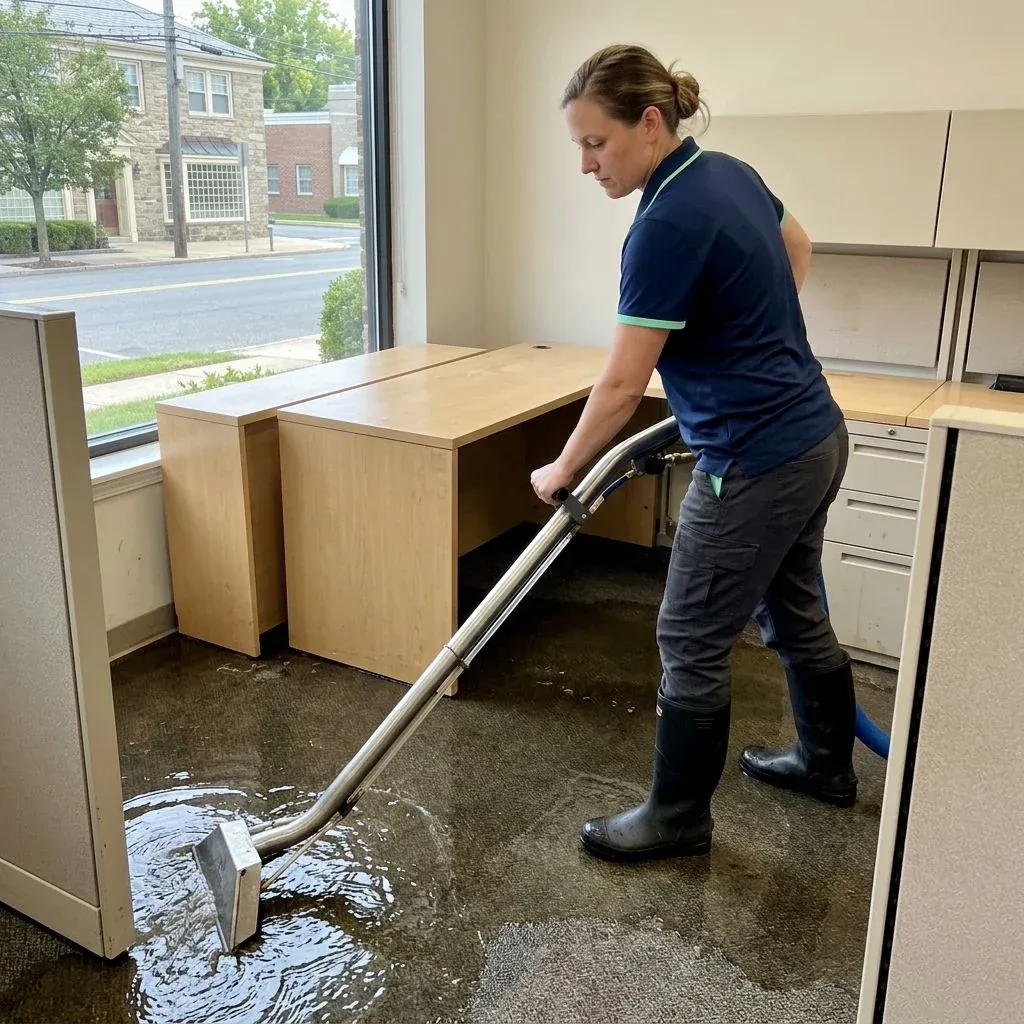
The First Hour in a Wet Norristown Building
Safety comes before cleanup: if the shutoff is reachable on dry ground, turn the water off there, and keep the breakers off for any room where water has reached the floor. Floodwater should be avoided entirely, CDC says, since no one can know what it holds, and Schuylkill water in the lower parts of Norristown is exactly that kind of water.
EPA tells owners to call their insurance company and photograph everything before cleanup starts, so our crew photographs every wet room on arrival. Pumps and portable extractors then take out the standing water first, since drying cannot begin while it still pools on the floor.
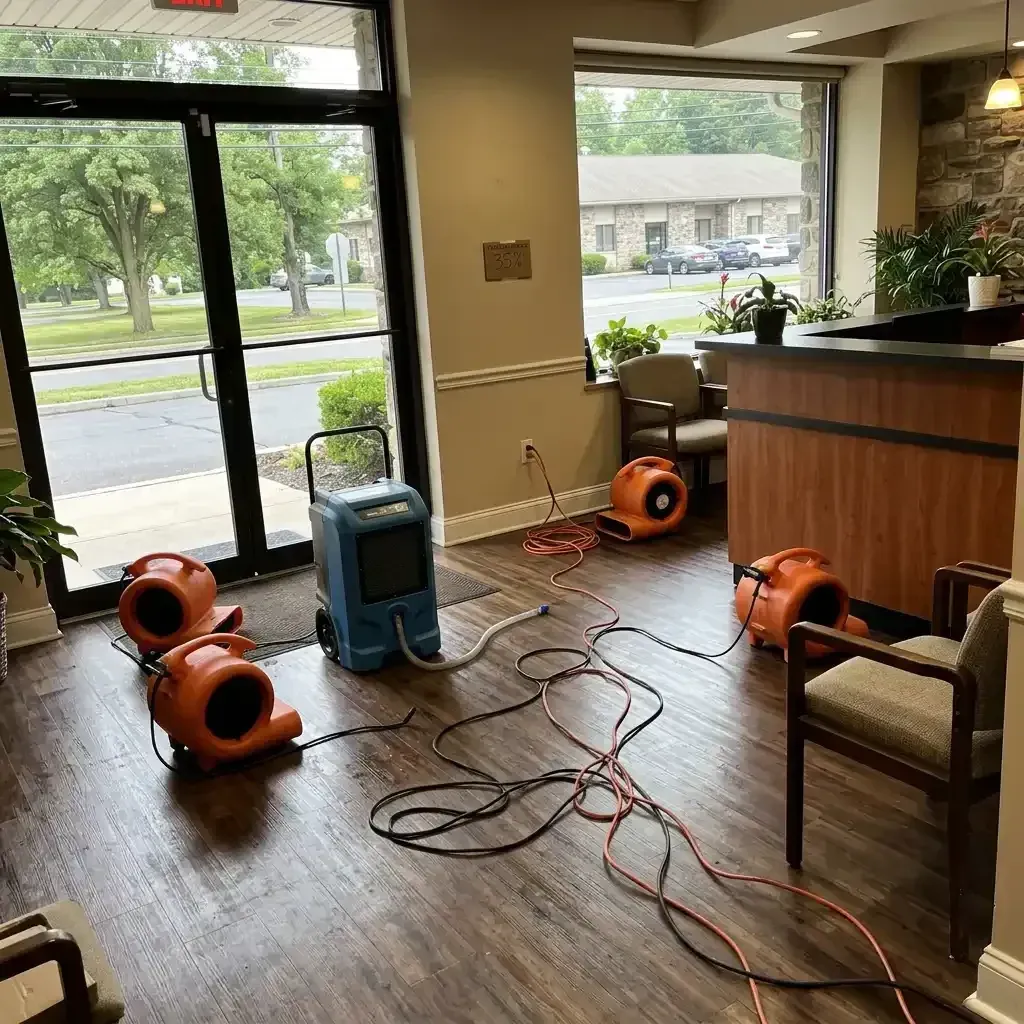
Drying a Norristown Building to Numbers
We sort every loss by the IICRC S500 categories before drying: Category 1 is clean supply water, Category 2 is dirty enough that contact or swallowing can sicken people, and Category 3, which covers sewage and water rising out of a river or creek, is grossly contaminated. A pipe that splits on one of Norristown's roughly 107 freezing nights starts as Category 1, while Schuylkill or Stony Creek water coming up through a floor is Category 3 from the first minute.
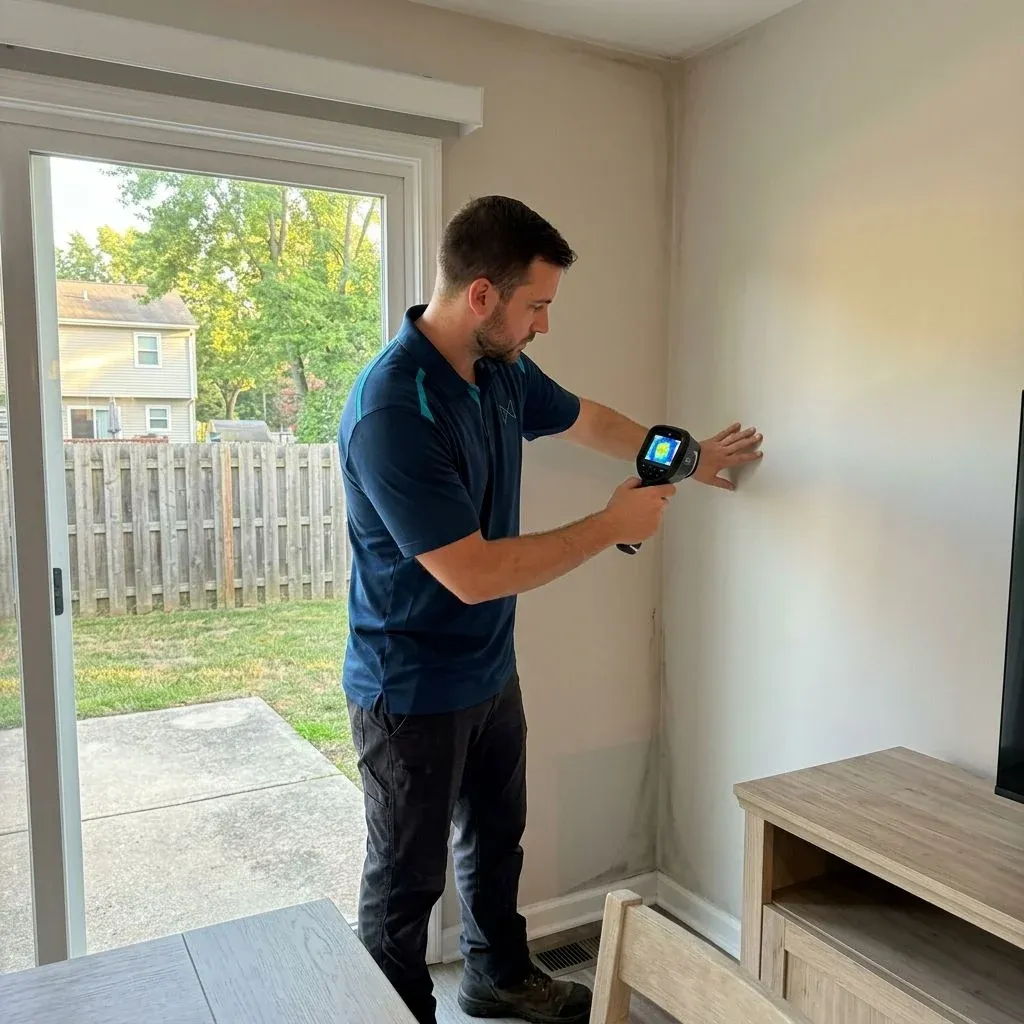
Air movers, low and powerful fans angled across wet surfaces, turn the water in walls and floors into vapor, and dehumidifiers then wring that vapor out of the room. Readings from walls, framing and subfloor go into a drying log every day, and the equipment leaves when those numbers reach dry rather than when a calendar says so.
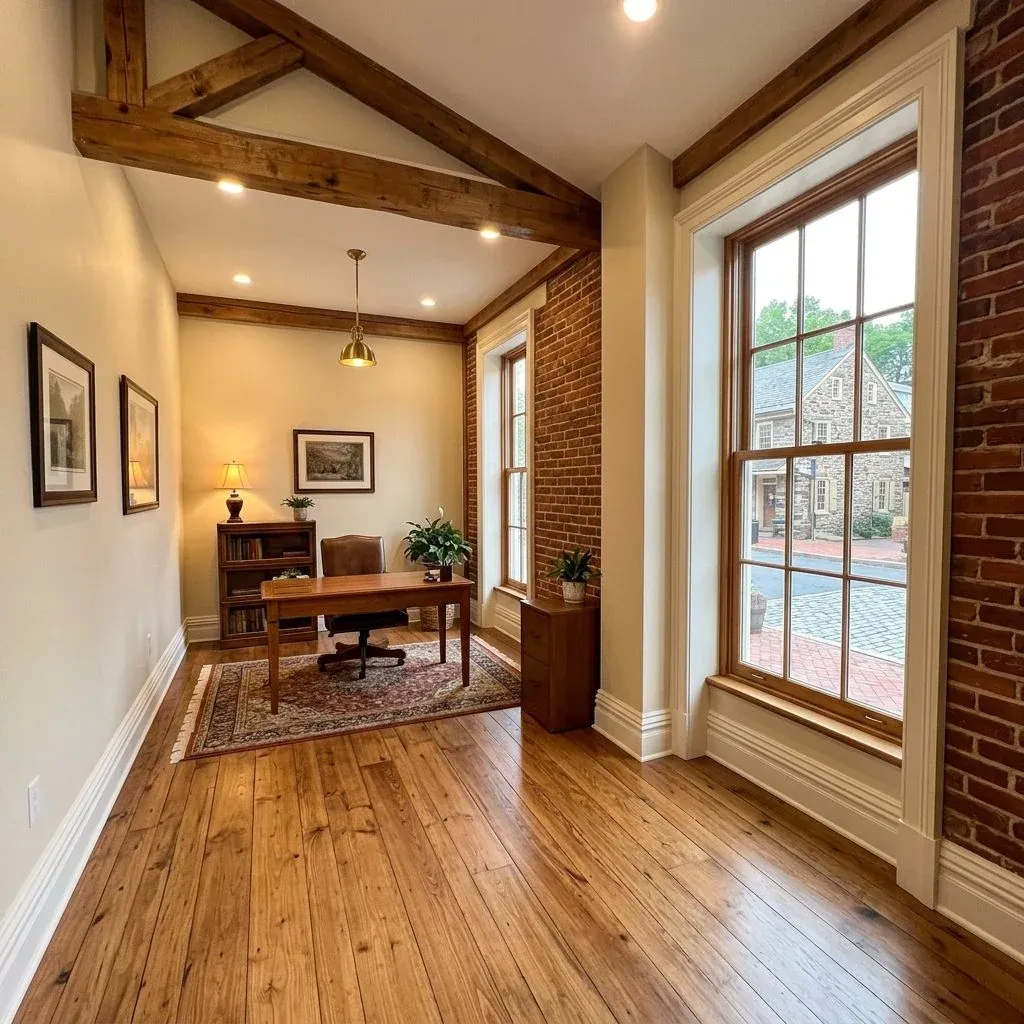
Deciding What a Norristown Building Can Keep
EPA's cleanup table sorts materials one at a time: wet ceiling tiles and insulation go, concrete gets extracted and dried, and drywall can stay when it is not swollen and its seams hold. When drywall does have to go, a flood cut removes a level strip above the waterline so the cavity behind it can breathe.
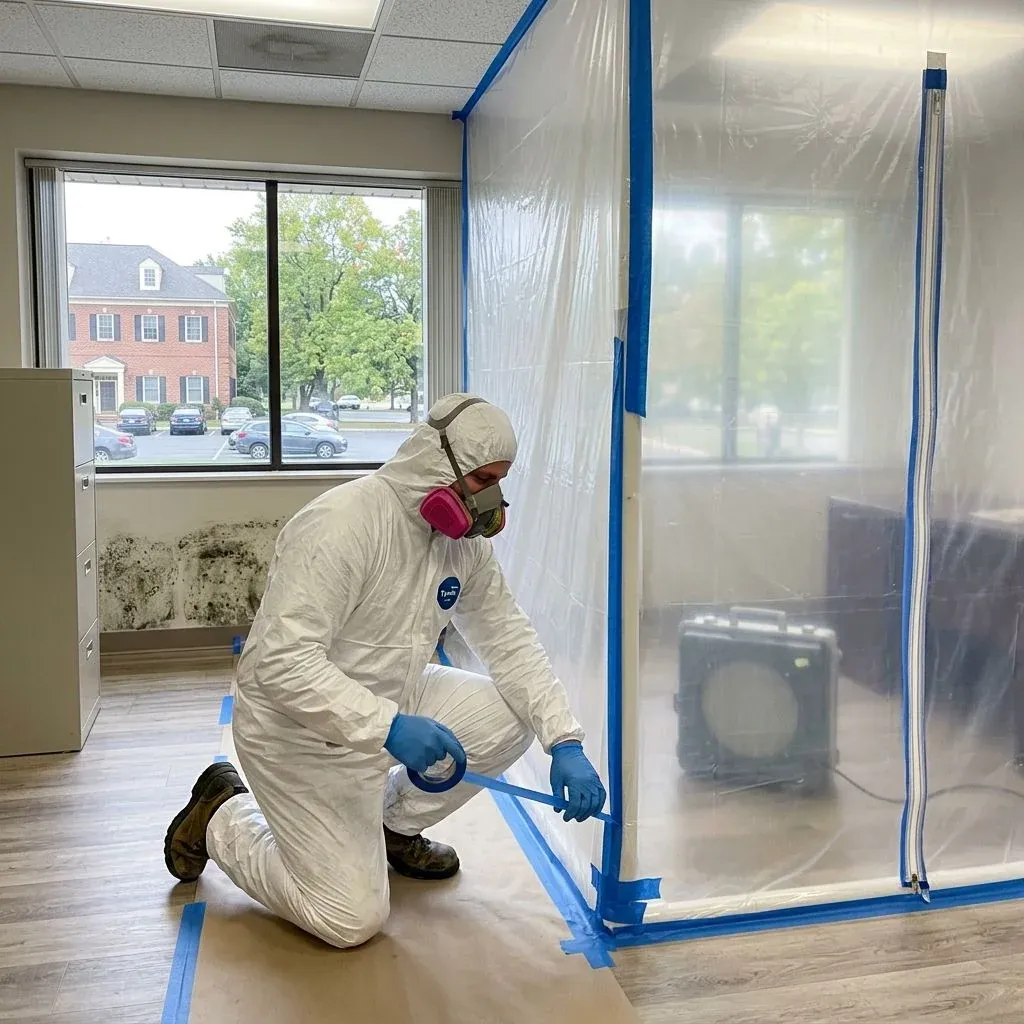
Most of Norristown's housing predates 1980, which puts pre-1978 paint behind a lot of the drywall we cut, and C&J, holding EPA Lead-Safe Certified Firm status, keeps that dust inside the work area under the federal rule. Should the open cavity show growth, our Norristown mold remediation process takes over before a single wall is sealed.
What Water Damage Services Do We Offer in Norristown?
Most calls from the floodplain areas Norristown maps and the streets above them fit three of our water services.
- Standing water pumped out at any hour
- River and sewage water treated as Category 3
- Burst pipe and supply line drying
Elmwood Park, Bartash Park and the Norristown State Hospital grounds each sit in their own area of the municipality's FEMA flood maps. Any porous material soaked by water from the river or a creek is treated as Category 3, wherever the building sits.
How to Handle Water in a Norristown Building Right Now
Call the 24/7 line, then shut off what you safely can.
Turn off the main if it is dry underfoot, and keep clear of any room with water near the outlets. Until you hold a written estimate and have signed off on more, our crew limits itself to cutting off the water and securing the space.
Extraction, then drying with a daily log.
Standing water comes out first, and the drying equipment runs while a daily reading of walls, framing and floors goes into the log. The log is yours to read whenever you like.
Readings at dry, then the rebuild is priced.
Once every reading reaches dry, you keep the log and the photos, and replacing the drywall, flooring or trim we removed is estimated separately in writing.
Who Needs Water Damage Restoration in Norristown, PA?
Water damage restoration in Norristown, PA is for anyone whose drywall, flooring, framing or insulation will not dry within a day or two, from a single split pipe to a lower floor that took on river water. Open windows and a fan reach only the surface, and the water held inside the wall or under the floorboards stays put.
Waiting for a musty smell means waiting too long, because by then growth has usually started. Per EPA's flooded homes guidance, most materials that stay wet for more than two days end up growing mold.
River, creek and sewer water all count as Category 3, and whatever porous material they soaked is removed, not dried. You hear that on our first visit, since drying a carpet headed for the dumpster wastes your money.
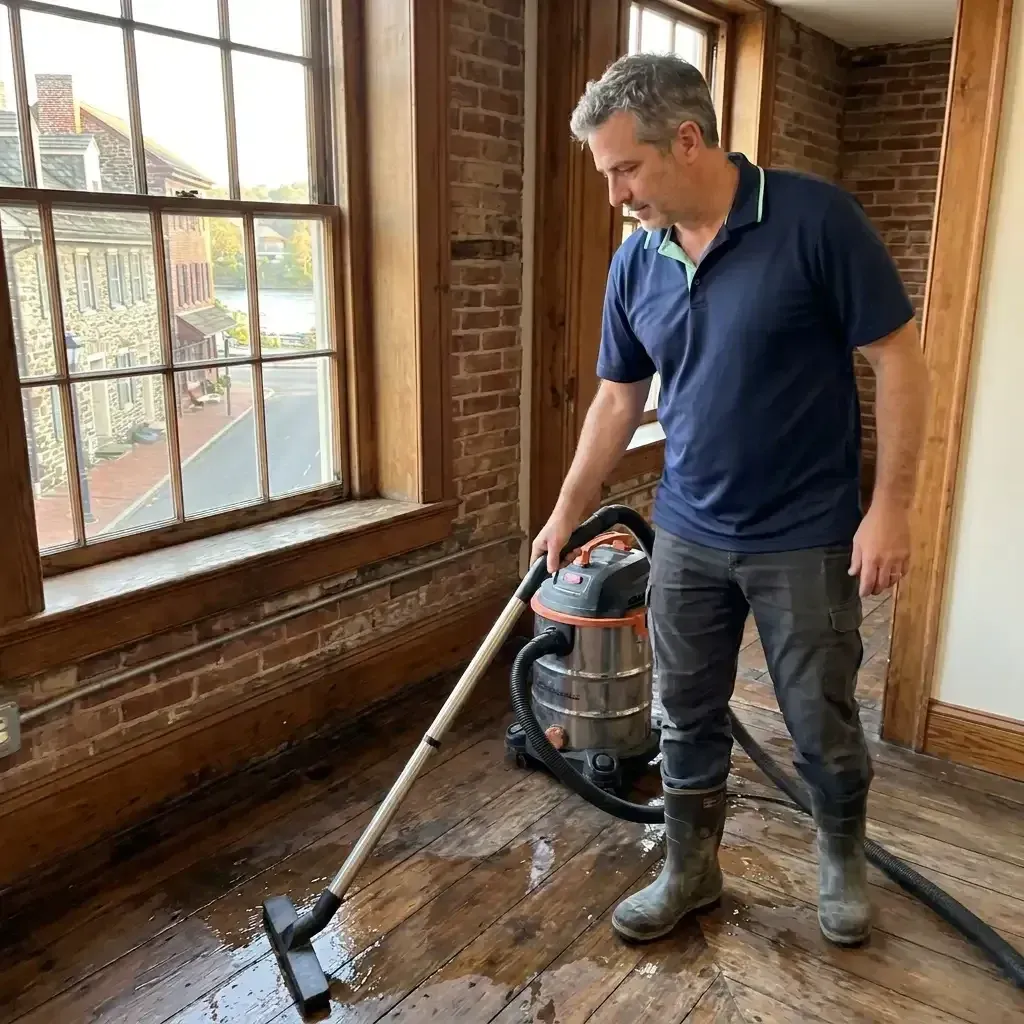
When Should You Call, and Where Does Norristown Water Go?
Rather talk it through?
(844) 620-7505, answered 24/7
Where does water go after a Norristown leak?
After a Norristown leak, water travels down and sideways: under vinyl and carpet pad, into the bottom edge of drywall, and through a row home's party wall or floor joists into the next space. So we read the rooms beside and below the leak, as well as the one where it started.
When should you call about water in Norristown?
You should call about water in Norristown as soon as the source is stopped or the river has dropped, at any hour. EPA's drying window runs from the moment the water arrives, so we aim to dispatch a crew to a Norristown property within two hours of an emergency call.
Who manages water damage in a Norristown office or shop?
In a Norristown office or shop, the owner or property manager works through the water damage with us, and tenants are told which rooms stay closed while the equipment runs. A business that must stay open gets a drying plan built around its hours, within what the readings allow.
How Much Will a Norristown Water Loss Cost to Fix?
A Norristown water loss costs $3 to $4 per square foot to dry when it is clean supply-line water, going by published market ranges, while sewage backup cleanup spans $450 to $16,000 and mold uncovered inside opened walls adds $1,200 to $3,800. National guides such as Fixr report those averages across many losses, so use them as a yardstick, and expect your estimate to come from the readings in your own building.
| Loss | What it usually means | Market range |
|---|---|---|
| Sewage backup cleanup | a backed-up drain line, with every soaked porous item removed | $450 to $16,000 |
| Clean water (Category 1) | a split supply pipe or an overflowing sink caught early | $3 to $4 per square foot |
| Mold found once walls are open | growth uncovered behind drywall partway through the drying | $1,200 to $3,800 |
Averages that national guides publish for many losses, not C&J prices, with any rebuilding estimated once the space reads dry.
- Why does river or sewage water cost more to clean up?
River and sewage water cost more to clean up because Category 3 means contamination controls and protective gear, and everything porous it touched comes out before drying can start. Cost guides put that work at $7 to $7.50 per square foot, close to double the clean-water band.
- Why do drying days show up on a Norristown bill?
Drying days show up on a Norristown bill because each air mover and dehumidifier carries a daily charge and runs until the numbers reach dry. The daily log explains, morning by morning, why each machine is still running.
- How do our records help with a Norristown insurance claim?
Our records help with a Norristown insurance claim by putting three items in one file: photos of every wet room before cleanup, a day-by-day moisture log and an itemized estimate. Your insurer, not us, decides what the policy pays, and the claim stays with you.
Is the Water in Your Norristown Building Still Moving?
Phone the 24/7 line right away, and shut the main valve while you wait if that is safe. If the leak has run its course, the form is the easier route, and we charge nothing for the estimate visit.