
Water Damage Restoration in Philadelphia, PA
Water damage restoration in Philadelphia, PA has a recent high-water mark: on September 2, 2021, USGS recorded the Schuylkill at Philadelphia at 16.35 feet, a peak topped only by the flood of October 4, 1869. Someone picks up our line around the clock, and each call starts with shutting off the water where that can be done safely and making the space secure.
- (844) 620-7505answered 24/7
- Warminster, PA
- Restoration · homes and businesses
- Clients served
- 1,100+
- Google rating, 26 reviews
- 5.0
- Emergency response
- 24/7
- 14 years in business, since 2012
- IICRC Certified Firm
- EPA Lead-Safe Certified Firm
This page covers water damage restoration for homes and businesses in Philadelphia, a city set between two tidal rivers whose emergency management office released an updated hazard mitigation plan in September 2026.
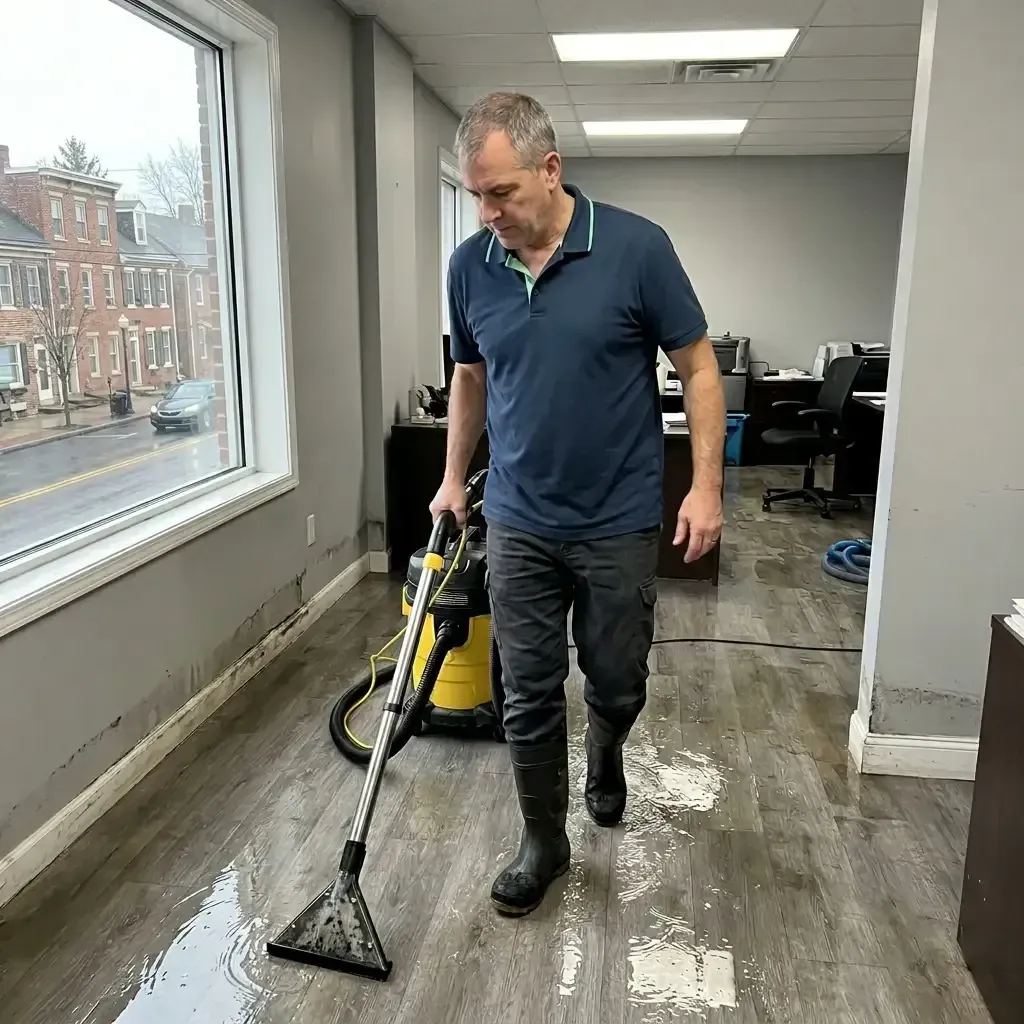
C&J Environmental answers 24/7, photographs the damage before cleanup, extracts standing water, sets the water category on site and dries the structure against daily readings. Paint from before 1978 in a flood cut is handled by C&J as an EPA Lead-Safe Certified Firm, and growth found in an opened wall moves to a separate mold process.
A figure to remember: a burst pipe or appliance leak dried in place runs $1,500 to $7,000 in published cost guides, a market band rather than C&J's price.
Why Should Philadelphia Water Damage Be Photographed First?
Philadelphia water damage should be photographed first because two different parties may want that record: your insurer, as EPA's cleanup advice points out, and L&I, which asks for time-stamped photos or video of emergency repairs after a sudden plumbing failure. Pictures taken before anything is moved are the only ones that show the damage as it was.
- Ida pushed the Schuylkill at Philadelphia to 16.35 feet, second only to 1869
- Shops along Manayunk's Main Street flooded during Ida in 2021
- L&I expects a permit application within three business days of an emergency repair
- Phone staffed around the clock
- Photos before cleanup starts
- Drying logged every day
What Do Our Customers Say?
5.0 on Google from 26 reviews
Anthony & his team were extremely professional, quick to communicate/get on site, and provided excellent service at a fair price. Highly recommend C&J and will use them in the future if needed!
Tim T.Google review
The crew and Anthony were great to work with
Jon P.Google review
On time and within budget
Tom T.Google review
Get your free estimate request sent in 60 seconds!
Water Damage Restoration in Philadelphia? See Who Trusts C&J















What Do Philadelphia Owners Need Once the Water Is Out?
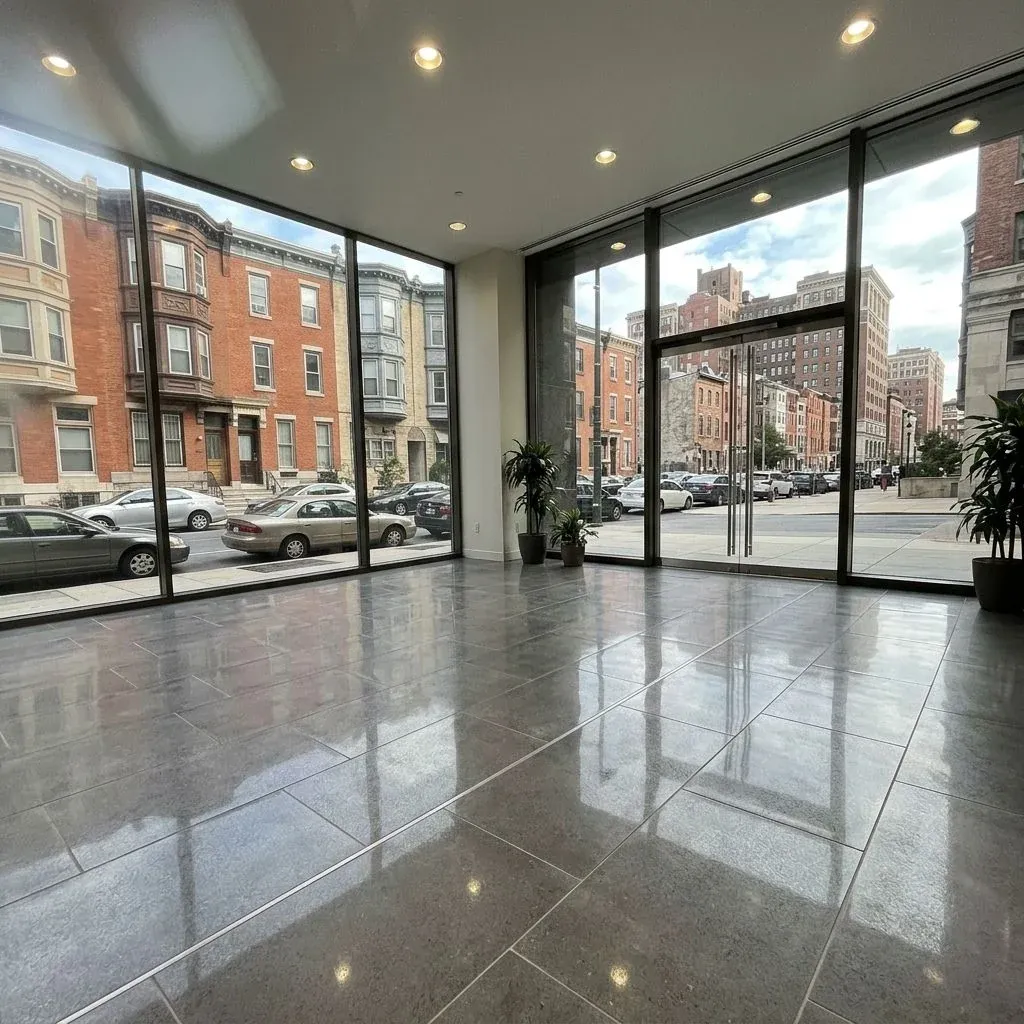
Do We Answer Water Calls Beyond the City Line?
What Happens After Water Gets Into a Philadelphia Building?
Water damage restoration in Philadelphia follows three stages, and the order matters as much as the equipment.
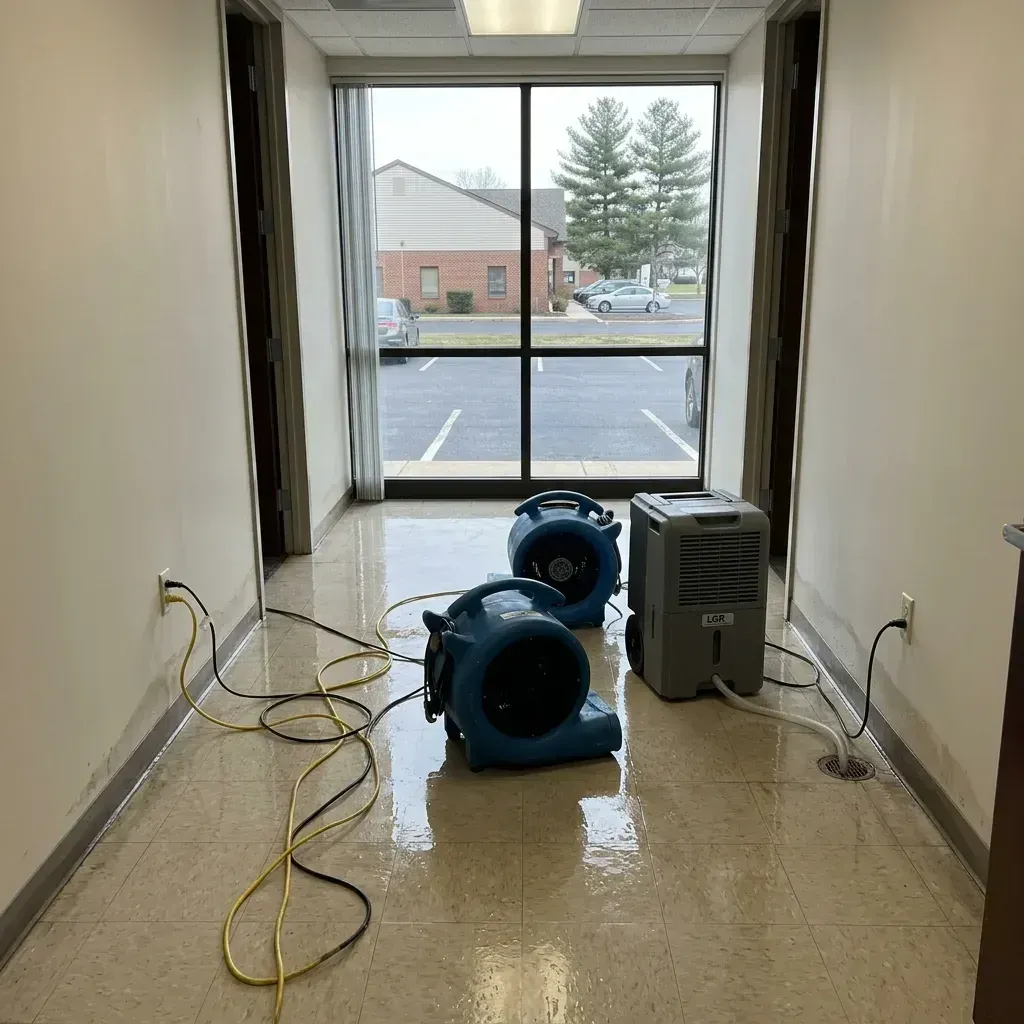
Making a Flooded Philadelphia Space Safe
Before anything else, cut the water at the main valve only if getting there keeps your feet dry, and treat any room where water touches outlets or cords as off-limits. Floodwater is something CDC says to avoid entirely, since its contents are unknown, and river water on a Manayunk ground floor is exactly that kind of water.
EPA advises photographing everything and calling your insurer before cleanup, and L&I separately asks for time-stamped photos or video of an emergency plumbing repair. We photograph every wet room as we work, then pump and extract the standing water, because drying cannot start while water pools on the floor.
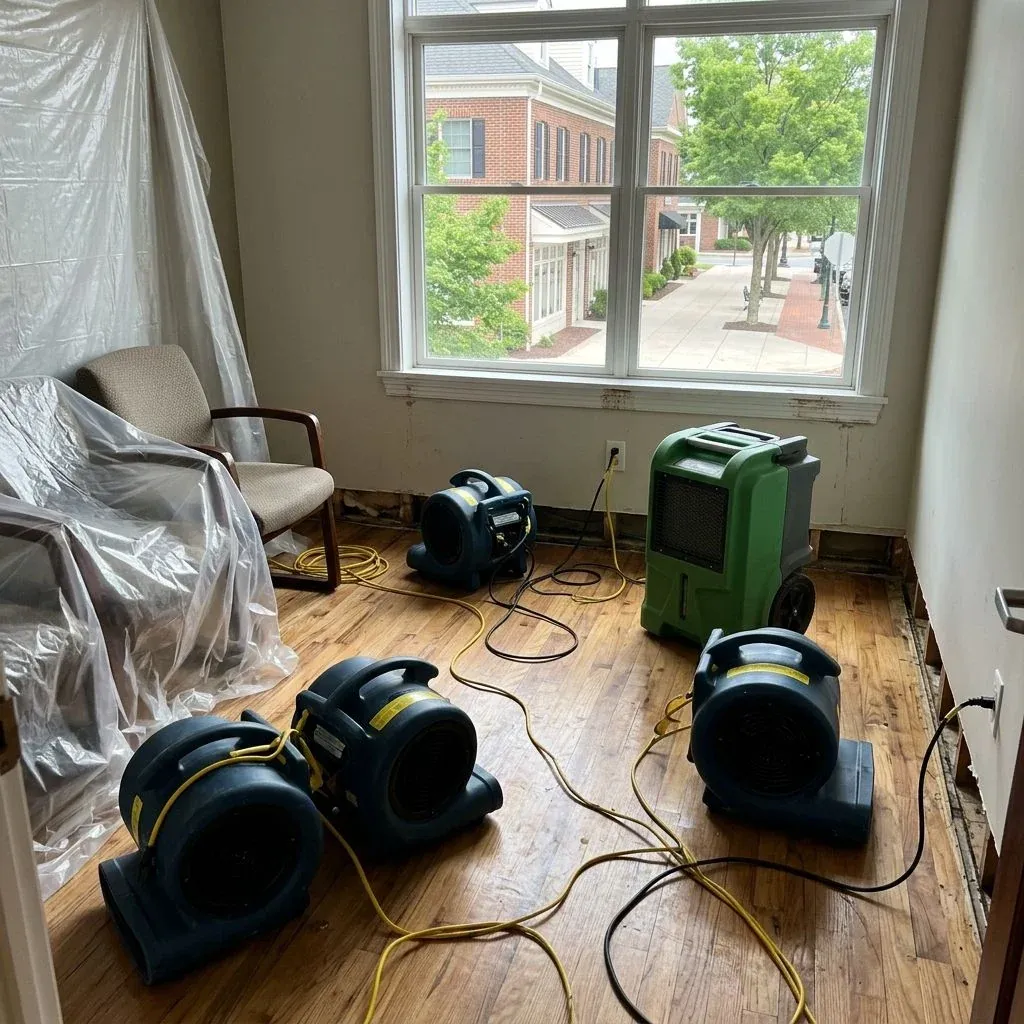
Water Categories and Daily Readings in Philadelphia
We classify every loss under the IICRC S500 categories first: Category 1 starts at a sanitary source, a supply line for example, Category 2 carries contamination that can make people sick, the way a washer overflow does, and Category 3, grossly contaminated, takes in sewage and rising river water. Wind-driven rain or a roof leak is not automatically Category 3, so the category for a storm-hit Philadelphia building is set on site rather than assumed.
Air movers, compact high-speed fans angled along wet walls, speed evaporation, and the dehumidifiers capture what rises. Each day we record readings from drywall, framing and subfloor in a drying log, and the equipment leaves when that log shows dry.
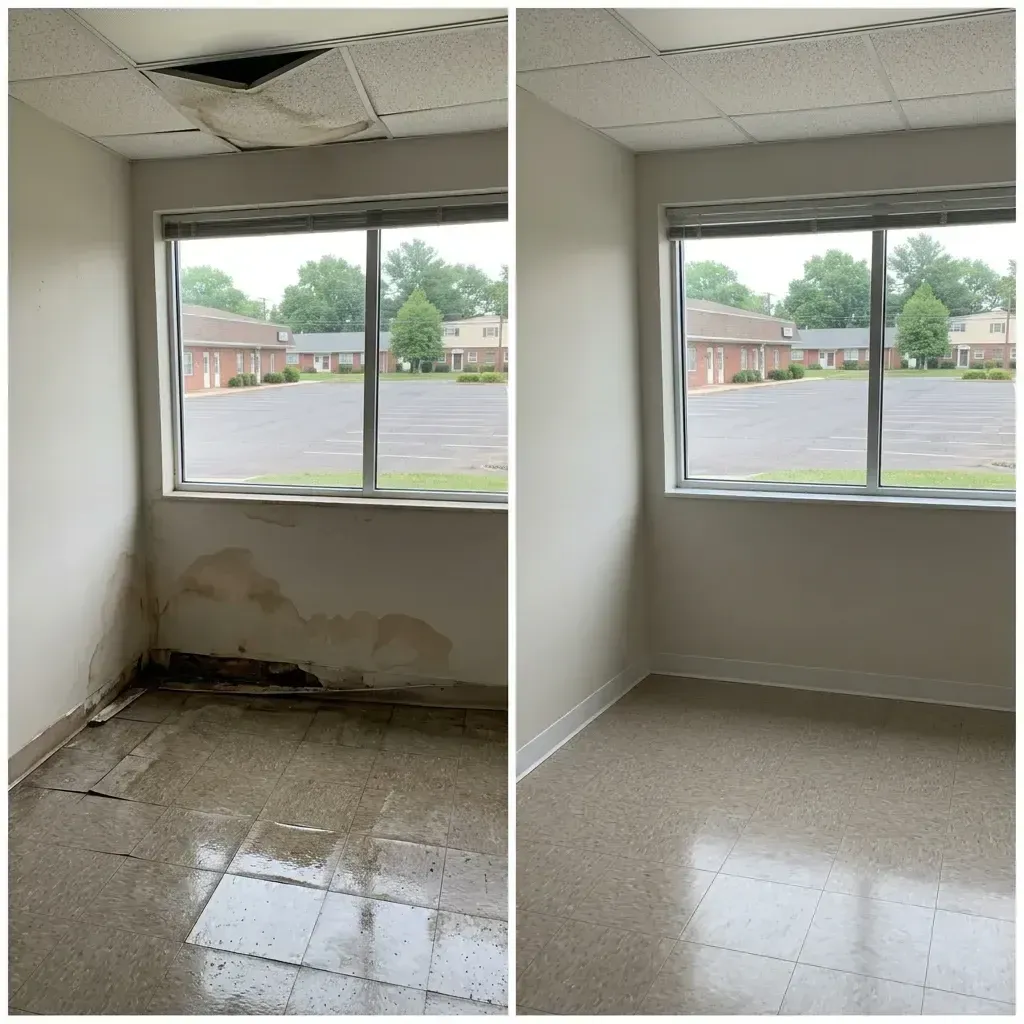
What a Wet Philadelphia Rowhouse Can Keep
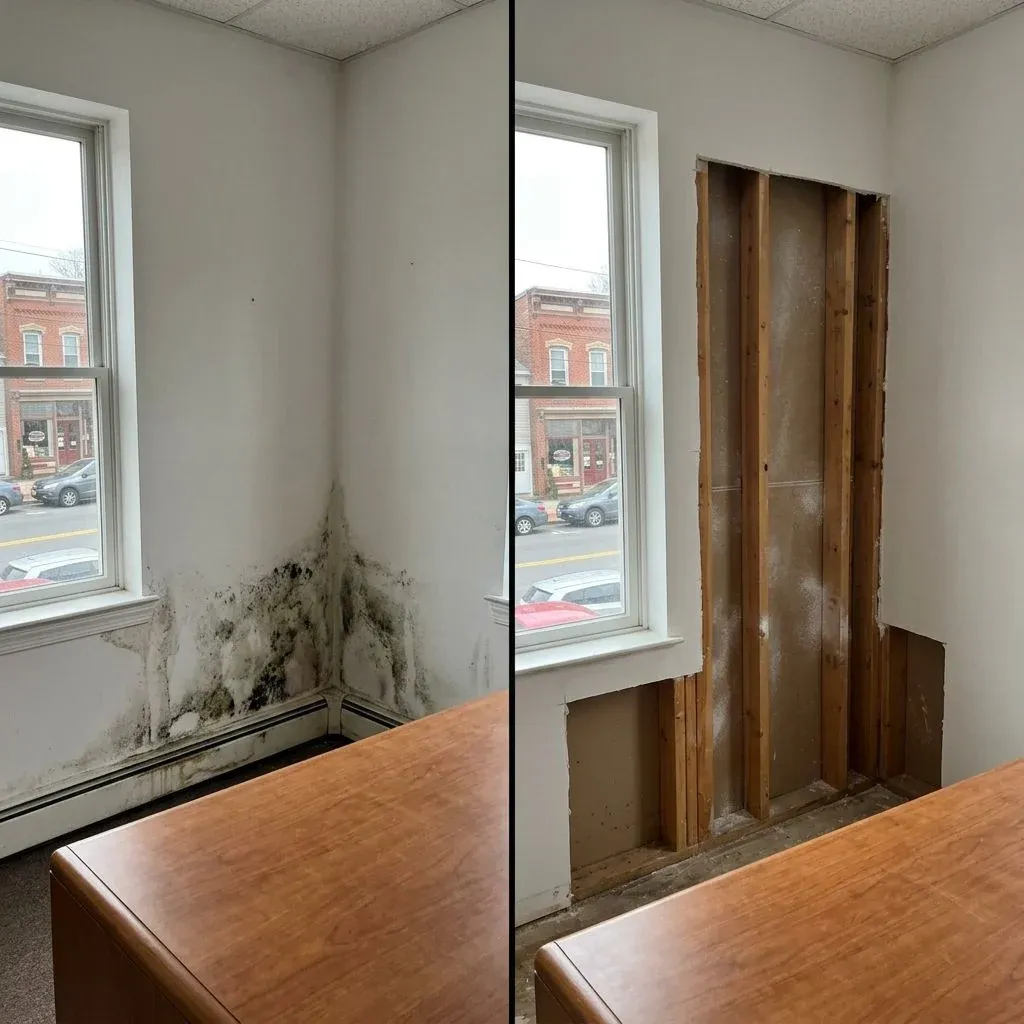
Not every wet material is lost. Under EPA's guidance for water-damaged materials, wallboard without swelling or open seams can often dry in place, wet insulation and ceiling tile get replaced, and concrete is extracted, then dried with fans and dehumidifiers.
With 83.3 percent of Philadelphia housing built before 1980, a flood cut, the level strip of drywall removed above the waterline, often opens paint from before 1978. Our EPA Lead-Safe Certified Firm status means that paint is cut behind plastic and its dust stays inside the work area, and if the open wall shows growth, the work moves to our Philadelphia mold remediation process, and the cavity is left open while that work runs.
What Water Damage Services Do We Offer in Philadelphia?
Philadelphia water calls usually fit three of our services, and the city's stormwater program explains why heavy rain matters so much here.
- Burst pipes and appliance leaks dried in place
- River and sewage water handled as Category 3
- Wet contents, floors and walls sorted and dried
The Philadelphia Water Department says older parts of the city run on combined sewers, one pipe carrying both sewage and stormwater, and that heavy rain may overwhelm them. Its FAQ ties unmanaged stormwater to basement flooding problems, which is the point where a storm becomes a Category 3 question.
How to Stop Water Damage in a Philadelphia Building
Call any hour, then make it safe.
If the main valve is reachable without wading, shut it, and keep away from outlets near the water. Beyond stopping the water and securing the space, nothing proceeds without a written estimate and your signature on it.
Photos, extraction, then drying with a log.
Every wet room is photographed, the standing water comes out, and air movers and dehumidifiers run while the daily readings fill the drying log.
Proof of dry, then a separate repair estimate.
When the numbers say dry, the drying record and the photos go to you, and whatever came out of the walls and floors gets its own written repair estimate.
Who Needs Water Damage Restoration in Philadelphia, PA?
Water damage restoration in Philadelphia, PA is for any owner or manager whose drywall, floors, framing or insulation cannot be dried within a day or two, from a burst pipe in a rowhouse to the Schuylkill rising into a Manayunk storefront. Box fans move air across the surface and leave the water in the wall cavity and the subfloor untouched.
Do not wait for a musty smell, because a room only smells musty once growth is under way. EPA's flood guidance treats materials that stay wet beyond two days as likely to turn moldy.
Sewage and rising river water are Category 3, and anything porous they reached comes out rather than being dried. Telling you that up front keeps a Philadelphia owner from spending money drying walls that are coming out regardless.
When and Where Does Philadelphia Water Damage Spread?
Rather talk it through?
(844) 620-7505, answered 24/7
Where does Philadelphia water damage hide?
Philadelphia water damage hides in the subfloor under a second-floor bathroom, in the plaster at the base of a rowhouse stair, and behind kitchen cabinets where a supply line let go. A pin meter finds it where the eye cannot, so we read past the visible stain before writing the scope.
When should you call about water in Philadelphia?
You should call about water in Philadelphia as soon as the source is off or the river has dropped, whatever the hour, and the aim is a crew at a city address within 2 hours of the call. With roughly 77 nights a year at or below freezing at the airport station, a split pipe at two in the morning is one way EPA's drying window opens.
Who decides the drying plan in a Philadelphia business?
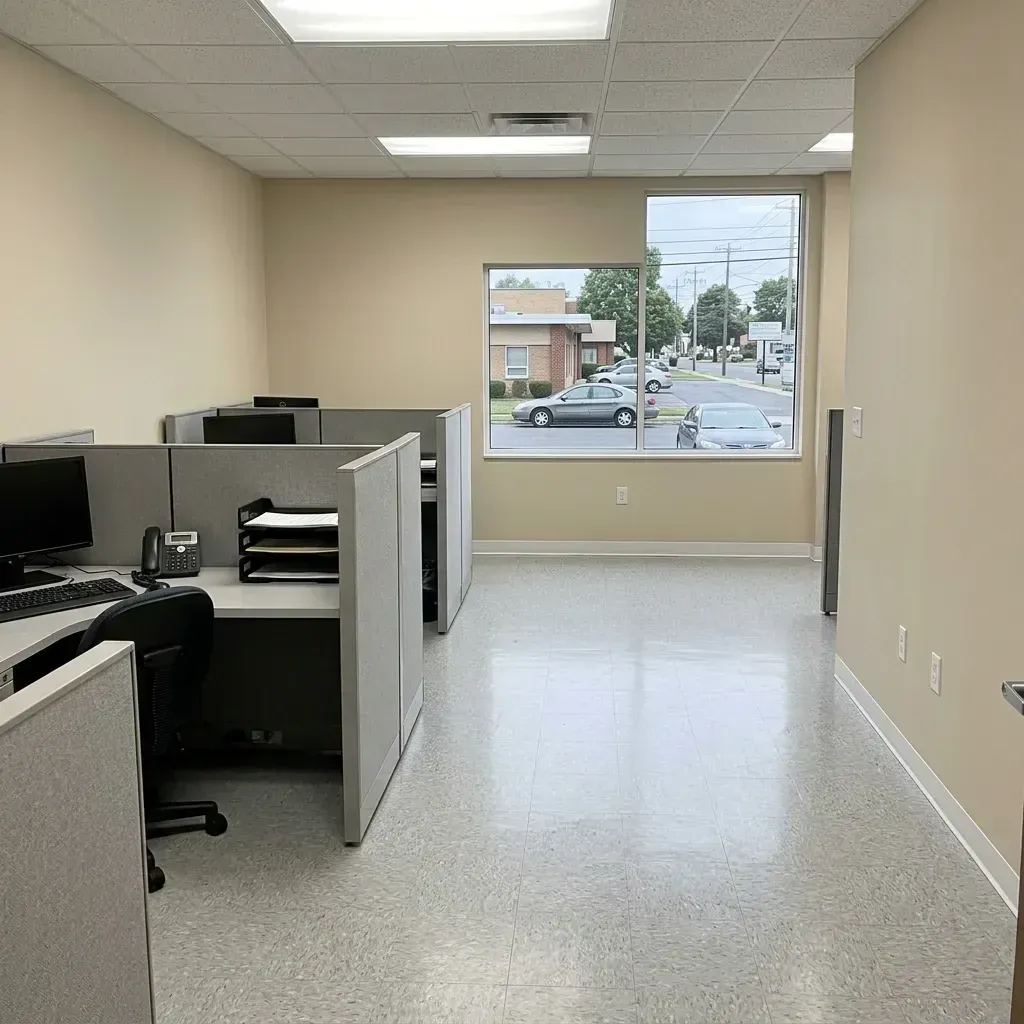
In a Philadelphia business, the owner or property manager decides the drying plan with us, including which rooms close and how long the equipment stays. Where a shop or office must keep serving customers, we work around its hours as far as the readings allow.
How Much Does Philadelphia Water Damage Cleanup Cost?
Philadelphia water damage cleanup costs $1,500 to $7,000 by published market ranges when a burst pipe or failed appliance can be dried in place, $4.10 to $6.50 per square foot for gray water, and $8,000 to $50,000 for a flood that forces wet materials out. Those are national averages from guides like Fixr, handy for judging a budget, while your estimate rests on readings from your own rooms.
| Loss | What it usually means | Market range |
|---|---|---|
| Burst pipe or appliance leak, dried in place | a split line or a failed water heater caught early enough to dry in place | $1,500 to $7,000 |
| Gray water (Category 2) | a washer or dishwasher overflow, with contamination controls before drying | $4.10 to $6.50 per square foot |
| Flood with wet materials removed | river or storm water through a ground floor, with drywall and flooring cut out | $8,000 to $50,000 |
Guide averages from many losses, not C&J prices, with rebuilding estimated separately once the space is dry.
- Why does a sewer backup cost more to clean?
A sewer backup costs more to clean because it is Category 3 water, which brings protective gear, containment and removal of every porous item it soaked before any drying begins. Published guides put sewage backup cleanup at $450 to $16,000, depending largely on how far the water reached.
- How long does the equipment stay, and does that add cost?
The equipment stays until the daily readings reach dry, and each extra day adds cost because air movers and dehumidifiers are charged by the day. The drying log shows you why each unit in your Philadelphia building is still running.
- Can our records support a Philadelphia insurance claim?
Our records can support a Philadelphia insurance claim: the before-cleanup photos, the daily readings and the itemized estimate document the loss from start to dry. The insurer alone rules on coverage, and the claim stays in your hands.
Is Water Still Getting Into Your Philadelphia Building?
Pick up the phone and call our 24/7 line, then close the main valve first if you can do it safely. With the leak already stopped, our estimate form does the job, and that visit is free.