
Qualified Flood Restoration in Warminster, PA | C&J Environmental
Serving Warminster, Pennsylvania with 31+ years of flood restoration, our team is based right here on Mearns Road and has responded to the seasonal basement flooding events that affect this community's 1950s through 1980s housing stock every spring, from sump pump failures during suburban storm runoff to groundwater intrusion in homes where original drainage systems have never been replaced.
Warminster trusts C&J Environmental because we are based here on Mearns Road and have responded to seasonal flooding in this community for 31 years.
Seasonal basement flooding in Warminster requires a response team that knows the soil conditions, the drainage infrastructure, and the runoff patterns from years of working here. We are based on Mearns Road and have done exactly this work in this community for 31+ years. The answer to seasonal flooding is not a bigger shop vac.
Our commitment to you, always:
- We respond the same day you call.
- We document everything for your insurance claim.
- We guarantee satisfaction, or we make it right.
Client Testimonials
Hear from your Warminster neighbors
I have used C & J for several Citrashield projects in the Bucks County area. Always fair, on time and complete the tasks given. Citrashield is proud to have C & J as an approved applicator.
Joe M.
Anthony was amazing from the start! He was incredibly personable, informative and professional. The pricing was fair with no hidden fees. The guys who came out to perform the work were professional and courteous. All in all C&J was so great to work with. Hopefully I never need mold removed again but if I do I would 100% call them!!
UBCTS in Perkasie
I used C and J recently to perform mold remediation at a home that I was selling near Independence Road. They were very professional, can on time and completed the work on budget. They did nice work and responded quickly so that the sale of the home could go through. Excellent service.
Mark J.
Where we offer Flood damage restoration services
Don't see your town listed below? Call us anyway and we'll still come to you!
OUR SERVICES
Flood Restoration Services We Offer
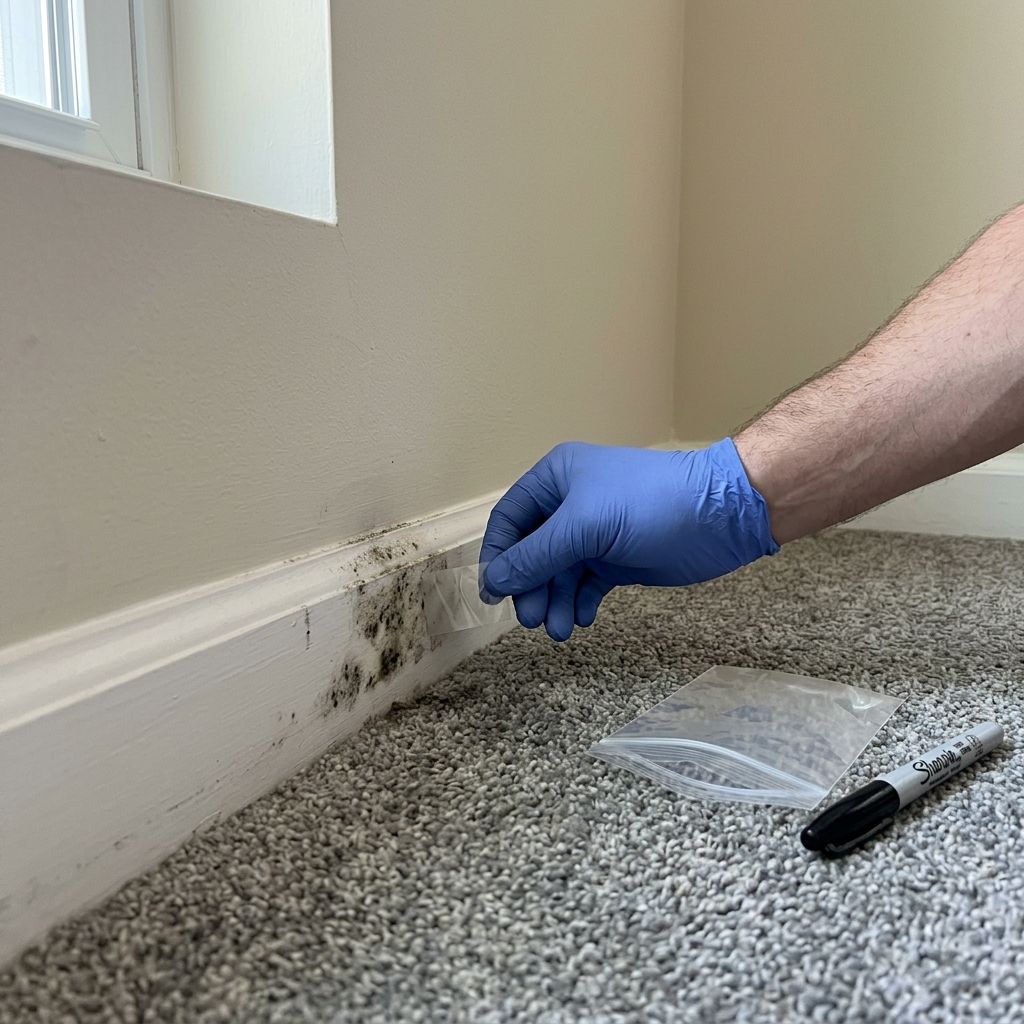
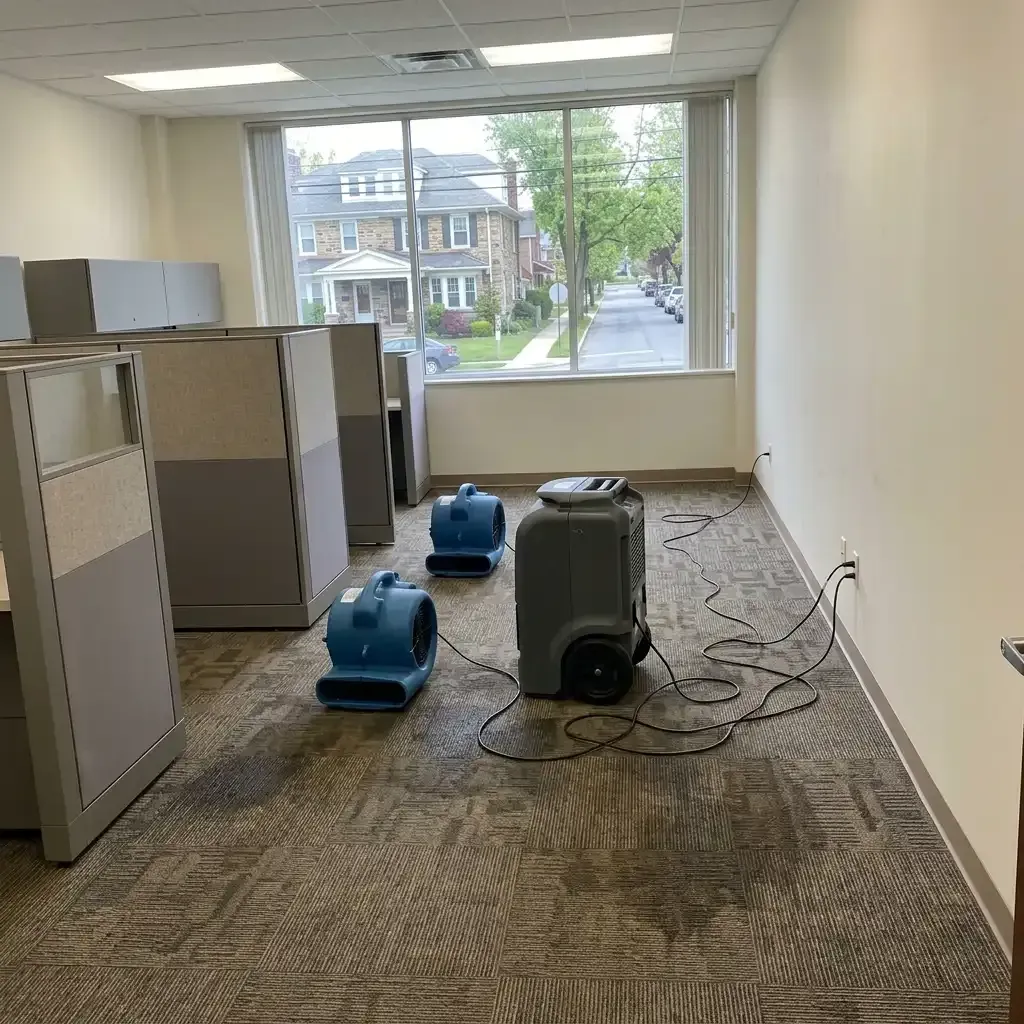
Warminster Basements Flood Every Spring. And older sump systems were not built for this.
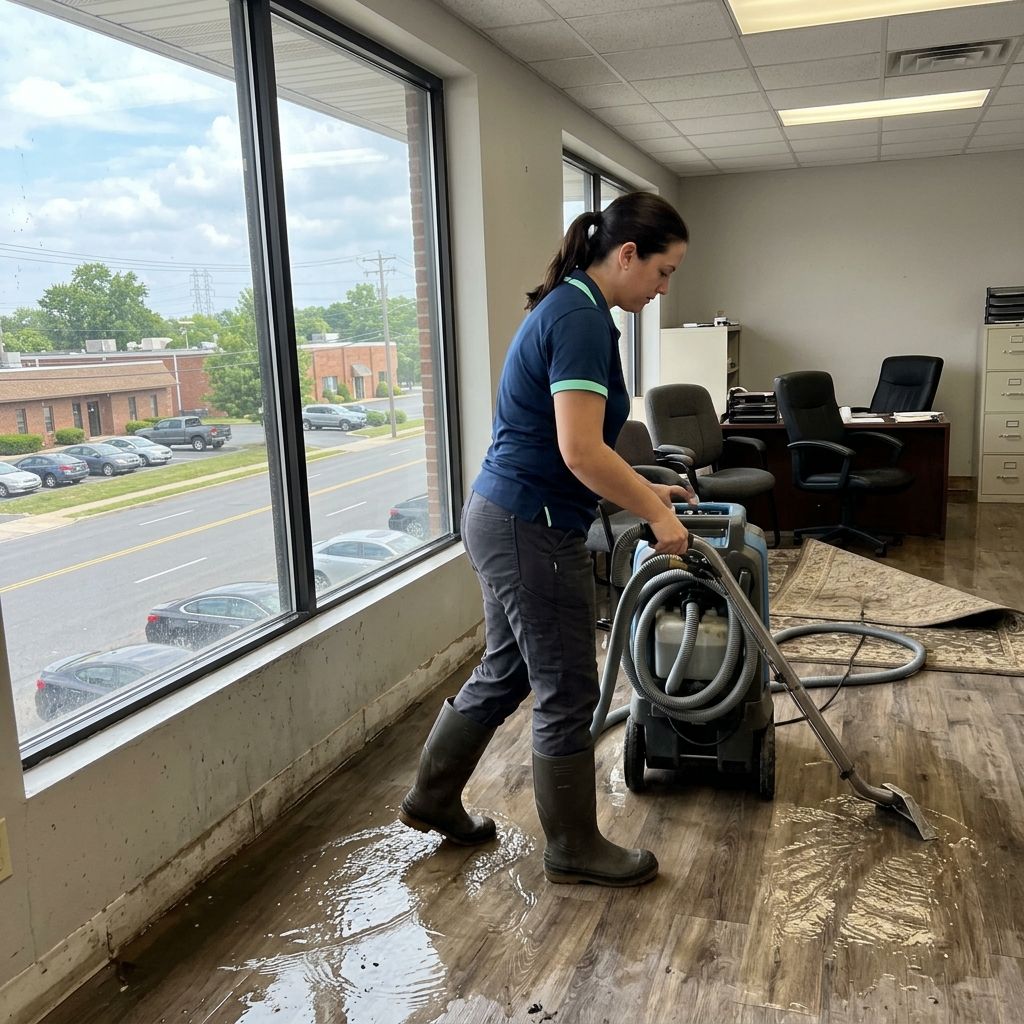
Warminster's homes were built mostly from the 1950s through the 1980s with drainage systems designed for that era's storm patterns and soil models. Decades of suburban development and more intense storm events have put demands on those original systems they were never built to handle. Homeowners near Kemper Road and off County Line Road know what it feels like to watch a sump run for six hours during an April rain and still find water on the basement floor.
Warminster's community-wide PFAS awareness adds a particular urgency to water intrusion events. In a community that has been careful about what enters homes through water sources, standing water against foundation walls is not something homeowners here want to leave unaddressed any longer than necessary. A fast, thorough response is not just preferred here. It is expected.
Warminster Basements Flood Every Spring
- Original 1950s through 1980s sump systems were not designed for modern storm intensity or duration.
- Suburban runoff from newer development increases water table pressure on older drainage systems.
- Finished basement spaces in Warminster homes sustain significant financial damage from even minor flooding.
- PFAS-aware homeowners do not want standing water in their homes a single day longer than necessary.
- Monitoring a sump pit through every overnight storm in April and hoping it holds is a specific kind of exhausting.
Call us at 1-844-620-7505. We respond to Warminster flood calls the same day.
Your Recovery Starts Here
Every flood restoration job in Warminster begins with an assessment of sump system status, active water entry points, and moisture penetration into basement materials. Based on Mearns Road, we serve this community as the local team, and every plan reflects that.
Emergency Extraction and Sump System Assessment
We deploy submersible and truck-mounted extraction equipment to remove standing water from Warminster basements and assess the sump and drain tile system status at the start of every job. Knowing whether a sump pump failed during the storm or was overwhelmed by volume tells us whether water is still actively entering and determines the extraction approach. In a community where the housing stock was built with a specific era's equipment and drainage assumptions, understanding the current performance of those systems is part of how we build every recovery plan.Commercial Drying and Moisture Monitoring
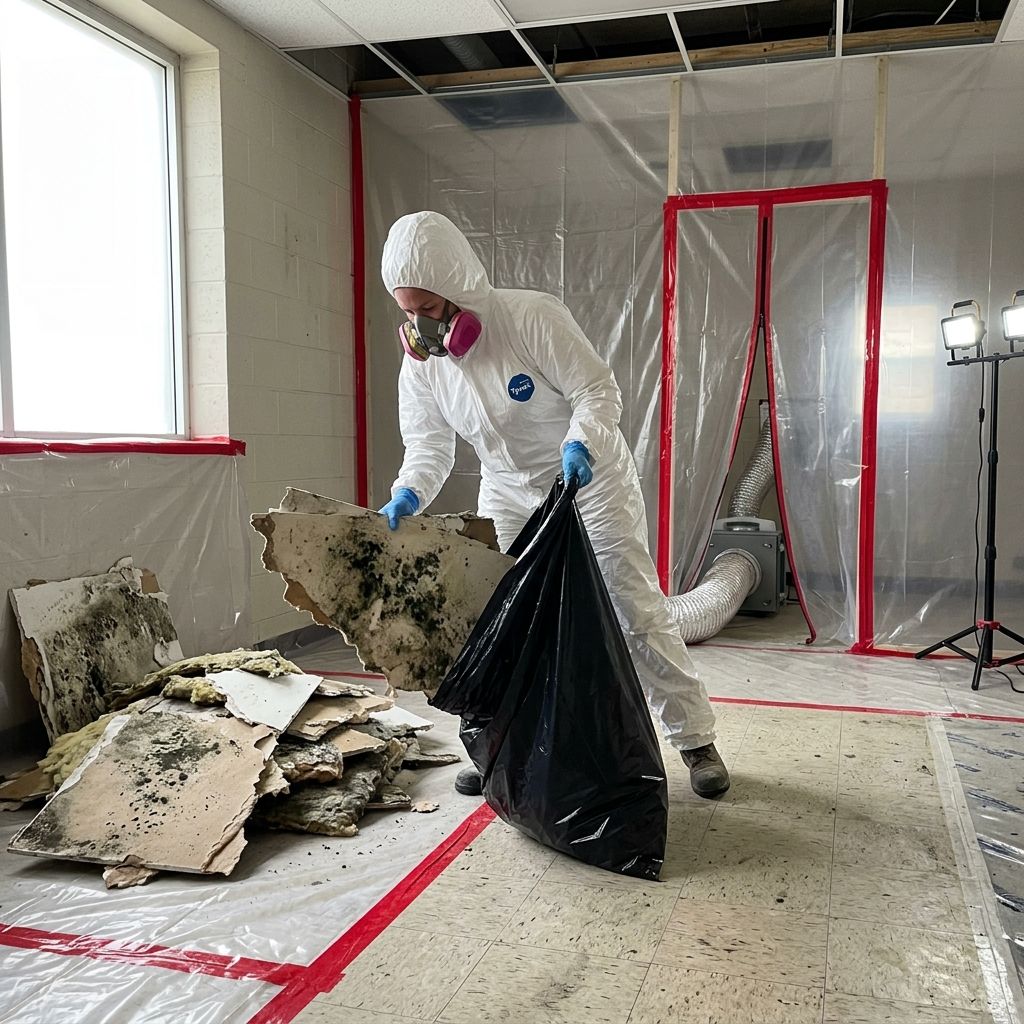
After extraction, we deploy commercial air movers and industrial dehumidifiers and use moisture meters and thermal imaging to monitor drying progress in finished walls, concrete floors, and framing. Warminster homes often have finished basements with drywall, carpet, and insulation that hold moisture in layers not visible from the surface. Thermal imaging identifies moisture accumulation behind finished walls and above finished ceilings so we can address it before it becomes a mold problem weeks later. We return daily and do not close any job until all readings confirm safe moisture levels throughout.Mold Prevention Treatment and Insurance Documentation
We apply eco-friendly, EPA-compliant mold prevention treatments to all affected surfaces before the space is prepared for rebuild. In a community with Warminster's environmental awareness, we are particularly careful about the products we use and are happy to discuss our treatment approach with any homeowner who asks. Every Warminster flood restoration job includes detailed photo and moisture documentation formatted for insurance submission, so our neighbors in this community are never dealing with an insurance claim without a complete record to support it.
Ready to restore your Warminster home? Your local team on Mearns Road responds the same day.
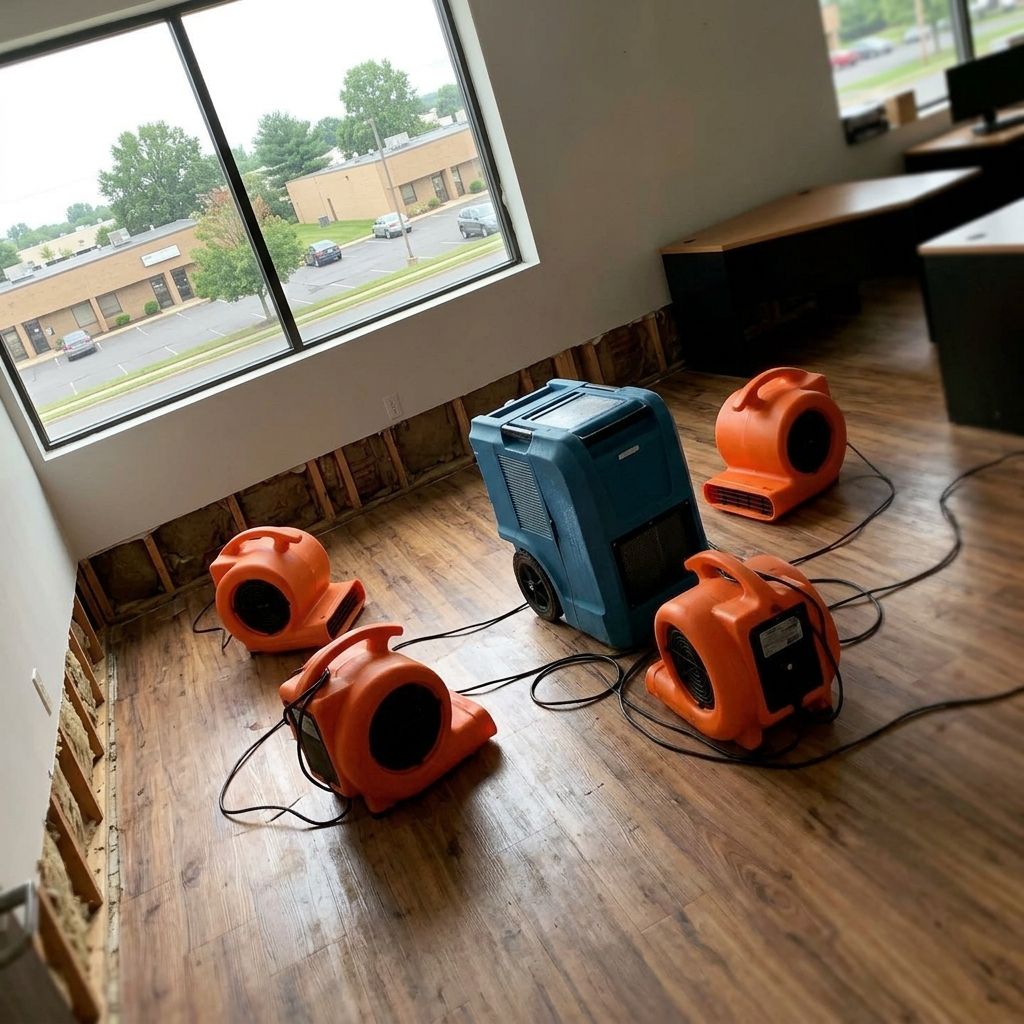
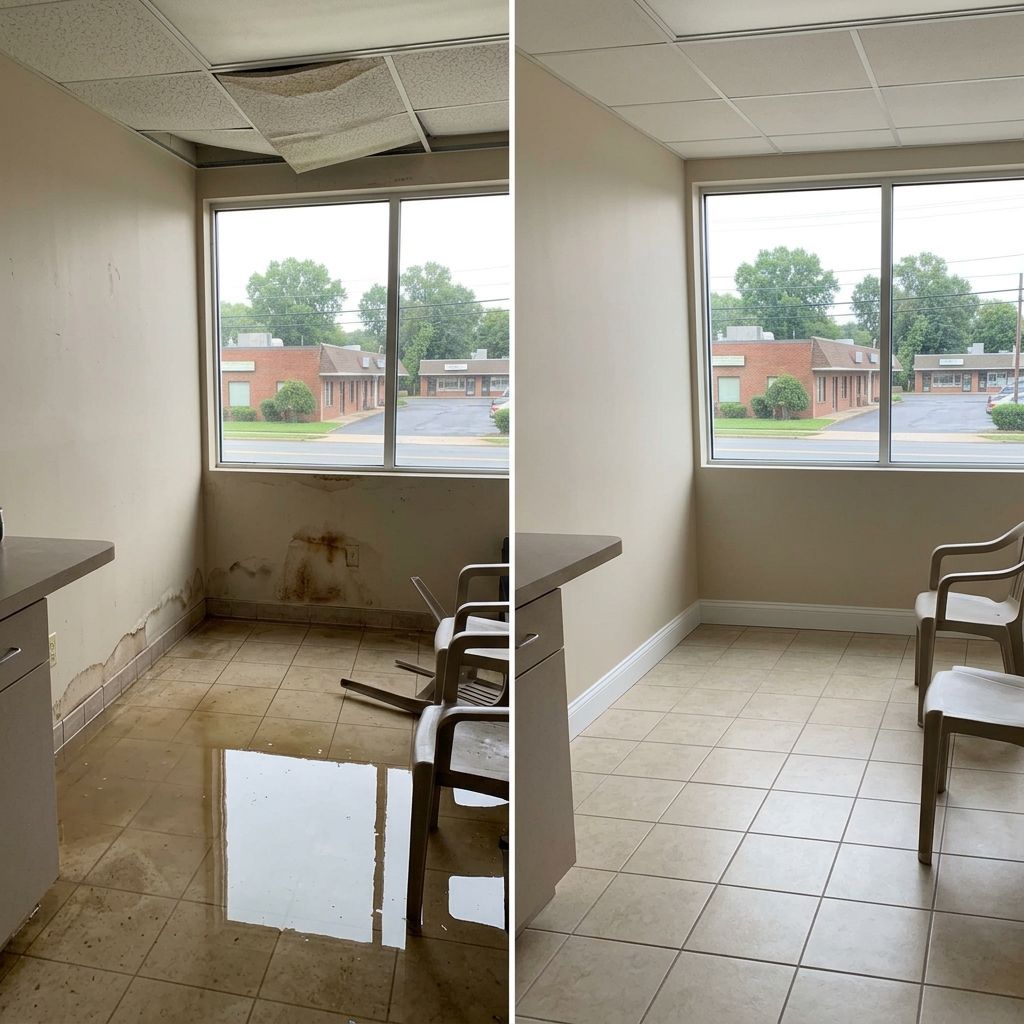
Count on C&J Environmental for Flood Restoration in Warminster, PA
Customer Satisfaction
Our satisfaction guarantee applies to every Warminster flood restoration job. If the work does not meet the agreed scope, we return and make it right. No argument, no delay.
Built on Repeat Business
[STAT NEEDED]% of our Warminster clients call us again. That return rate reflects 31+ years of protecting this community's homes from seasonal basement flooding as the local team.
Full-Scope Flood Restoration
We bring industrial extraction, thermal imaging, commercial drying equipment, eco-friendly mold prevention treatment, and insurance documentation to every Warminster flood restoration job.
Insured and Accountable
We carry full liability insurance and confirm every warranty in writing. Warminster homeowners always know exactly what is covered and for how long before we start.
Your Easy 3-Step Process to Your Flood Restoration in Warminster, PA
1
Call Us for Same-Day Response
We arrive the same day for most Warminster calls, assess sump system status and moisture penetration, and walk you through the full recovery plan before any work begins.
2
Extract, Dry, and Monitor
We extract standing water, deploy commercial drying systems, and use thermal imaging to find hidden moisture in finished surfaces until all readings confirm the structure is dry.
3
Treat, Remove, and Document
We apply eco-friendly mold prevention treatments, remove unsalvageable materials, and deliver complete insurance documentation. Call 1-844-620-7505 and your Warminster neighbors respond the same day.
Frequently Asked Questions
Does flood restoration in Warminster require permits?
Flood restoration work, including water extraction, structural drying, and material removal, does not typically require a permit in Warminster Township. If restoration work uncovers structural damage requiring rebuilding, or involves plumbing or electrical systems, applicable permits from Warminster Township may apply. We advise on all requirements before any structural work begins.How long does flood restoration take in Warminster?
Most residential flood restoration jobs in Warminster take three to six days from initial extraction through confirmed structural dryness. Finished basements in homes built from the 1950s through the 1980s with original insulation and drywall take longer to dry than open utility spaces because moisture penetrates more deeply into each material layer. We use thermal imaging to confirm dryness behind finished surfaces and do not close any job until all readings confirm target moisture levels throughout.What affects the cost of flood restoration in Warminster?
The primary cost factors are the size of the affected finished basement area, how long water was in contact with materials before extraction began, the scope of material removal required, and whether the flooding involved clean groundwater or a contaminated source. Finished basements in Warminster's post-war homes typically have a broader material removal scope than unfinished utility basements. We provide a written scope document before beginning any work.Do you handle residential and commercial flooding in Warminster?
Yes. We serve single-family homes, multi-family properties, and commercial buildings throughout Warminster Township. Property managers, small businesses in the Route 263 and Street Road commercial corridors, and apartment communities are among the commercial contacts we serve regularly in this community.What warranty do you offer on flood restoration in Warminster?
We back every job with our satisfaction guarantee. If the restoration work does not resolve the moisture issue or meet the agreed scope, we return and address it at no additional cost. All warranty terms are confirmed in writing before work begins.What should I do first if my basement floods in Warminster?
Check whether the sump pump is still running. If it has stopped, it may be burned out from running continuously, tripped a breaker, or been overwhelmed by the water volume. Document the water level and visible damage with photos. Do not run a box fan through a flooded finished basement. Turn off electricity to the affected area safely. Then call us. We are your local team based on Mearns Road, and we respond to Warminster the same day. In homes built between the 1950s and 1980s, what looks like two inches of water on a finished floor has typically already migrated much higher into the drywall, insulation, and framing behind it.